
In modern workplaces, employees often struggle with workload overload, juggling multiple tasks, deadlines, and responsibilities simultaneously. This can lead to stress, reduced productivity, and burnout. Tasking’s expert task management platform provides a structured, strategic approach to handle workload effectively, helping teams and individuals regain control, prioritize efficiently, and accomplish more without compromising quality or well-being.
Centralized Task Organization
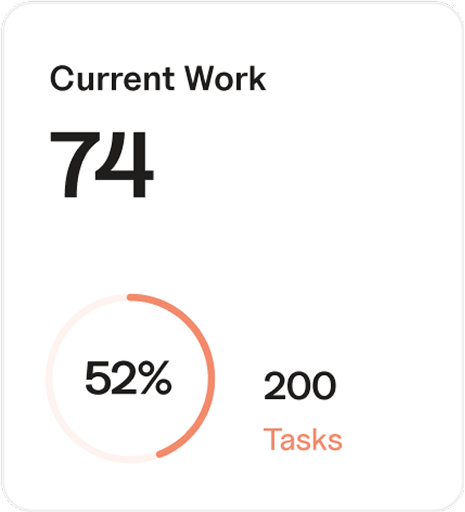
Tasking centralizes all work into a single platform, giving employees a clear overview of their tasks, deadlines, and priorities. With all responsibilities visible in one dashboard, team members can easily identify what requires immediate attention and what can be scheduled for later. Managers can see workloads across the team, ensuring fair distribution of tasks and preventing certain employees from becoming overloaded while others are underutilized.
Prioritization and Focus
Workload overload often occurs because employees struggle to prioritize tasks effectively. Tasking’s platform allows users to categorize tasks by urgency, importance, or project, enabling them to focus on high-impact work first. By breaking larger projects into smaller, manageable steps, teams can make consistent progress without feeling overwhelmed. Color-coding, labels, and custom tags further enhance clarity, allowing employees to quickly identify priorities at a glance.
Automation to Reduce Manual Work
One of Tasking’s strengths is its automation capabilities. Recurring tasks, reminders, and notifications can be automated, reducing repetitive manual work. For example, weekly status reports, follow-ups, or recurring check-ins can be handled automatically, freeing employees to focus on critical or creative work. This automation not only saves time but also reduces errors and ensures that no task is overlooked, helping employees manage high workloads more efficiently.
Real-Time Collaboration
Effective collaboration is crucial when managing heavy workloads. Tasking enables team members to communicate directly within tasks, share files, and provide updates in real-time. This eliminates the need for endless emails or fragmented communication channels. By maintaining all communication within the task itself, teams reduce confusion, avoid miscommunication, and ensure that tasks progress smoothly even under heavy workloads.
Visual Progress Tracking
Tasking provides multiple ways to visualize progress, including Kanban boards, Gantt charts, and list views. These tools allow employees to track their tasks in real-time, identify bottlenecks, and adjust priorities dynamically. When teams can see task completion trends and deadlines at a glance, it becomes easier to manage workload effectively and avoid last-minute stress. Visual tracking also boosts motivation as employees see their progress and accomplishments clearly.
Analytics and Insights
Tasking’s analytics tools provide actionable insights into workload distribution and task completion rates. Managers can use these insights to rebalance tasks, identify overloaded team members, and make data-driven decisions to optimize productivity. For individuals, analytics help recognize patterns of overwork, enabling better planning and time allocation. Over time, this continuous feedback loop reduces overload, increases efficiency, and promotes a healthier work environment.
Benefits for Teams and Individuals
For teams, Tasking ensures workload is distributed fairly and transparently, preventing burnout and maintaining productivity. Shared task boards make it easy to see who is responsible for what, while reporting tools identify bottlenecks and areas where additional support is needed. For individuals, Tasking helps prioritize work, break down complex projects, and automate routine tasks. Employees experience reduced stress, clearer focus, and better overall performance.
Tips for Managing Workload Overload
- Review tasks daily and prioritize based on deadlines and impact.
- Break large projects into smaller, actionable steps to avoid feeling overwhelmed.
- Use Tasking’s automation for recurring or routine tasks.
- Communicate workload concerns with managers and reassign tasks if needed.
- Monitor analytics to identify trends in overwork and adjust planning accordingly.
- Set realistic deadlines and ensure breaks are included to maintain focus and avoid burnout.
Conclusion
Workload overload can significantly impact productivity and well-being, but Tasking’s expert task management provides a practical solution. By centralizing tasks, prioritizing effectively, automating repetitive work, enabling real-time collaboration, and providing actionable insights, Tasking allows teams and individuals to manage even heavy workloads efficiently. Adopting Tasking transforms overwhelming schedules into structured, manageable workflows, promoting higher productivity, reduced stress, and sustainable work performance.