
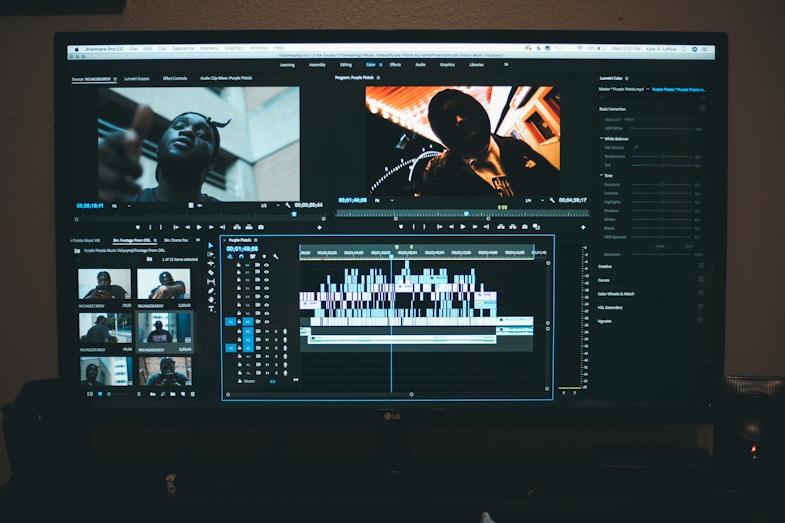
Creating content consistently is one of the biggest challenges for creators, brands, and marketers alike. The pressure to stay relevant, post regularly, and keep up with trends can easily lead to creative burnout. That’s where a well-structured content pipeline comes in. Building an efficient content pipeline not only helps you stay organized but also keeps your creativity alive while maintaining a sustainable pace.
Why a Content Pipeline Matters
A content pipeline is essentially your roadmap for creating, organizing, and publishing content. It helps you plan ahead, visualize your workflow, and manage your creative energy. Instead of scrambling to come up with ideas at the last minute, you have a clear system that guides you from brainstorming to publishing. A good content pipeline transforms chaos into consistency, ensuring you deliver quality content without the stress.
Step 1: Start with a Clear Strategy
Before you create any content, define your goals. What do you want to achieve—brand awareness, engagement, conversions, or authority in your niche? Knowing your purpose shapes the type of content you produce and the frequency of your posts. Set realistic targets and identify key performance indicators (KPIs) that measure your success.
Once your goals are clear, plan your content themes and categories. For example, if you’re a digital marketer, your categories might include tutorials, trends, case studies, and productivity tips. This helps balance your content and keeps your feed fresh and diverse.
Step 2: Create a Content Calendar
A content calendar is your best friend when it comes to consistency. It allows you to map out posts for weeks or even months in advance. You can plan around special events, seasonal campaigns, or product launches. Tools like Notion, Trello, or Tasking can help organize your ideas and deadlines.
Batch your work whenever possible. Dedicate one day to brainstorming, another to scripting or writing, and another to editing or scheduling. Batching reduces mental fatigue because you’re focusing on one type of task at a time, not constantly switching between creation and posting.
Step 3: Streamline Your Workflow
Efficiency is key to avoiding burnout. Identify repetitive tasks and find ways to automate or simplify them. Scheduling tools like Buffer, Later, or Hootsuite can automatically post your content across multiple platforms. Templates for captions, thumbnails, or videos also save time and maintain brand consistency.
If possible, delegate tasks. You don’t have to do everything yourself. Hire a video editor, designer, or social media assistant to share the load. Even small collaborations can make a big difference in freeing up your mental space.
Step 4: Repurpose, Don’t Reinvent
One of the smartest ways to sustain content creation is by repurposing what you already have. Turn a long blog post into multiple short clips, transform quotes into visuals, or create a carousel out of key insights. Repurposing helps you reach new audiences on different platforms without starting from scratch every time.
For example, a YouTube video can become several Instagram Reels, a few tweet threads, and a blog summary. You’re amplifying your reach while reducing the workload.
Step 5: Prioritize Rest and Realistic Schedules
Burnout happens when you push too hard for too long. Avoid overloading your calendar with unrealistic posting goals. Instead, focus on consistency over volume. Posting three quality pieces a week is far better than pushing out daily content that drains your energy.
Schedule regular breaks to recharge your mind. Step away from the screen, go for a walk, or explore other creative outlets. Resting isn’t wasted time—it’s an investment in your long-term productivity.
Step 6: Analyze and Adapt
Once your content pipeline is running, keep track of performance. Review which types of posts get the most engagement or conversions. Analytics tools give you valuable insights to refine your strategy. If a particular format isn’t performing well, don’t hesitate to adjust. Your pipeline should evolve as your audience and goals change.
The Mindset Shift: Progress Over Perfection
A successful content pipeline is built on progress, not perfection. You don’t need to produce viral content every time—you just need to stay consistent and keep improving. Accept that some posts will perform better than others and that every piece is part of your growth journey.
Conclusion
Building a content pipeline is about working smarter, not harder. With the right structure, tools, and mindset, you can maintain a consistent creative flow without sacrificing your well-being. By planning ahead, automating where possible, and prioritizing rest, you’ll find yourself producing better content with less stress. Remember, consistency is built on balance—and a well-designed content pipeline is your key to staying productive without burning out.