This
Is Moment
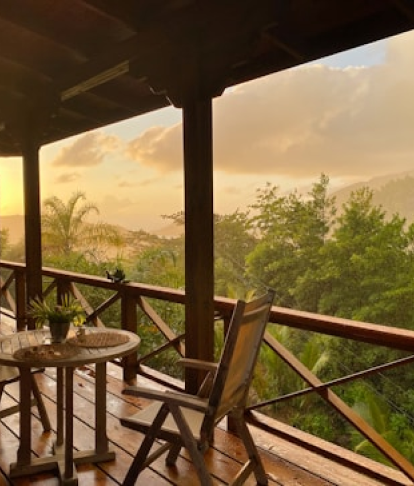
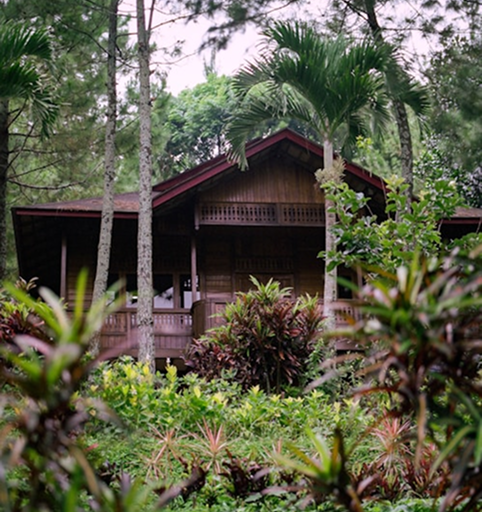
Designing tranquility within a resort setting is an intentional and layered process, far beyond simply choosing beautiful furniture or coordinating colors. The interiors of resorts that successfully embody “Resortism” — a blend of luxury, comfort, and connection to nature — are carefully crafted to evoke a sense of calm, presence, and renewal. Every element within these spaces serves a psychological and sensory purpose, curated to transport guests into a state of ease the moment they step inside. The philosophy behind Resortism interiors begins with creating harmony between the built environment and the natural surroundings. Architecture and design are not meant to dominate, but to blend seamlessly with the landscape. This can be seen in the choice of materials — warm wood, soft stone, natural fibers — which bring a tactile authenticity and earthiness to interiors. Large windows, open-air concepts, and indoor-outdoor transitions dissolve boundaries, inviting in natural light, breezes, and views of the surrounding scenery. These design features help ground guests in the present moment and create a deep sense of place, an essential part of the resort experience.
Color palettes in Resortism interiors are often muted and inspired by the environment — sand tones, ocean blues, forest greens, and sunset corals. These hues soothe the nervous system and reduce visual clutter, allowing the mind to rest. Layered textures in linens, woven rugs, and hand-crafted ceramics add depth without overwhelming the senses. Instead of maximalism, Resortism favors curated simplicity, where each object has intention and space to breathe. The absence of excess creates an atmosphere of purity and clarity, mirroring the internal state that guests often seek through their stay.
Furniture plays a key role in establishing comfort and flow. Low-profile loungers, soft, sink-in sofas, and minimalistic yet ergonomic beds contribute to both aesthetic appeal and physical relaxation. The design must intuitively guide guests to unwind — whether through a cozy reading nook flooded with natural light, or a meditation space framed by gentle textures and soft acoustics. Lighting design is equally crucial; ambient layers of light, strategically placed, allow for transitions from day to night without jarring contrasts. Soft, warm lighting enhances relaxation and helps regulate the body’s circadian rhythm, encouraging deeper rest and restoration.
Scent and sound are two often-overlooked pillars of Resortism design that subtly elevate the experience. The faint aroma of essential oils, local flora, or even salt air carried through open spaces can influence mood and memory, creating lasting impressions of calm. Similarly, acoustics are designed to amplify soothing natural sounds — rustling leaves, distant waves, birdsong — while minimizing noise pollution. Music, when used, is chosen with intention: soft, ambient, and in harmony with the environment.
Cultural elements also inform Resortism interiors, particularly in destinations where local heritage adds richness to the experience. Artisanal crafts, traditional patterns, and locally made décor items are integrated respectfully and authentically, providing a sense of connection to the place and its people. These elements are never used as generic ornamentation, but as a way to ground the resort in cultural depth and storytelling. They add soul to the space, giving guests a deeper emotional connection and a sense of discovery during their stay.
Ultimately, the art behind Resortism interiors lies in their ability to engage the senses while quieting the mind. They are not just designed to look beautiful, but to feel intuitively right — to align the external environment with the internal desire for peace. This approach to interior design is as much about psychology as it is about aesthetics, creating sanctuaries where guests don’t just visit, but transform. Whether it’s through the gentle curve of a lounge chair, the whisper of linen curtains in the breeze, or the grounding presence of a stone floor underfoot, every element works together to craft an immersive experience of tranquility.Designing tranquility within a resort setting is an intentional and layered process, far beyond simply choosing beautiful furniture or coordinating colors. The interiors of resorts that successfully embody “Resortism” — a blend of luxury, comfort, and connection to nature — are carefully crafted to evoke a sense of calm, presence, and renewal. Every element within these spaces serves a psychological and sensory purpose, curated to transport guests into a state of ease the moment they step inside. The philosophy behind Resortism interiors begins with creating harmony between the built environment and the natural surroundings. Architecture and design are not meant to dominate, but to blend seamlessly with the landscape. This can be seen in the choice of materials — warm wood, soft stone, natural fibers — which bring a tactile authenticity and earthiness to interiors. Large windows, open-air concepts, and indoor-outdoor transitions dissolve boundaries, inviting in natural light, breezes, and views of the surrounding scenery. These design features help ground guests in the present moment and create a deep sense of place, an essential part of the resort experience.
Color palettes in Resortism interiors are often muted and inspired by the environment — sand tones, ocean blues, forest greens, and sunset corals. These hues soothe the nervous system and reduce visual clutter, allowing the mind to rest. Layered textures in linens, woven rugs, and hand-crafted ceramics add depth without overwhelming the senses. Instead of maximalism, Resortism favors curated simplicity, where each object has intention and space to breathe. The absence of excess creates an atmosphere of purity and clarity, mirroring the internal state that guests often seek through their stay.
Furniture plays a key role in establishing comfort and flow. Low-profile loungers, soft, sink-in sofas, and minimalistic yet ergonomic beds contribute to both aesthetic appeal and physical relaxation. The design must intuitively guide guests to unwind — whether through a cozy reading nook flooded with natural light, or a meditation space framed by gentle textures and soft acoustics. Lighting design is equally crucial; ambient layers of light, strategically placed, allow for transitions from day to night without jarring contrasts. Soft, warm lighting enhances relaxation and helps regulate the body’s circadian rhythm, encouraging deeper rest and restoration.
Scent and sound are two often-overlooked pillars of Resortism design that subtly elevate the experience. The faint aroma of essential oils, local flora, or even salt air carried through open spaces can influence mood and memory, creating lasting impressions of calm. Similarly, acoustics are designed to amplify soothing natural sounds — rustling leaves, distant waves, birdsong — while minimizing noise pollution. Music, when used, is chosen with intention: soft, ambient, and in harmony with the environment.
Cultural elements also inform Resortism interiors, particularly in destinations where local heritage adds richness to the experience. Artisanal crafts, traditional patterns, and locally made décor items are integrated respectfully and authentically, providing a sense of connection to the place and its people. These elements are never used as generic ornamentation, but as a way to ground the resort in cultural depth and storytelling. They add soul to the space, giving guests a deeper emotional connection and a sense of discovery during their stay.
Ultimately, the art behind Resortism interiors lies in their ability to engage the senses while quieting the mind. They are not just designed to look beautiful, but to feel intuitively right — to align the external environment with the internal desire for peace. This approach to interior design is as much about psychology as it is about aesthetics, creating sanctuaries where guests don’t just visit, but transform. Whether it’s through the gentle curve of a lounge chair, the whisper of linen curtains in the breeze, or the grounding presence of a stone floor underfoot, every element works together to craft an immersive experience of tranquility.
Resortism Journal