Five tips for electrical safety every homeowner must know
Electricity is one of the most essential parts of modern life. From powering our lights and appliances to charging our devices, we depend on it every day. But while electricity makes life convenient, it also comes with serious risks if not handled properly. Electrical accidents, shocks, and fires are common household hazards, often caused by carelessness or lack of awareness. As a homeowner, understanding the basics of electrical safety is not just useful but necessary. By following a few key practices, you can protect your family, extend the life of your appliances, and keep your home safe.
In this article, we’ll go through five important electrical safety tips that every homeowner should know, along with detailed explanations and examples.
1. Avoid Overloading Outlets
One of the biggest mistakes homeowners make is plugging too many devices into a single outlet. Overloading outlets can cause overheating, sparks, and even fire hazards. For example, plugging a refrigerator, microwave, and electric kettle into the same extension cord can easily overload the circuit. Instead, spread out your devices across different outlets. If you need extra space, use a power strip with built-in surge protection. Surge protectors not only help distribute electricity safely but also protect sensitive electronics like computers and televisions from sudden power spikes.
2. Inspect Cords, Plugs, and Switches Regularly
Cords, plugs, and switches are often ignored until something goes wrong. However, damaged cords are one of the most common causes of household electrical fires. A frayed wire or loose plug can cause short circuits and shocks. Make it a habit to check your electrical cords and plugs every few months. If you see cracks, cuts, burn marks, or exposed wires, replace them immediately. Avoid covering damaged cords with tape, as this is only a temporary and unsafe fix. Also, never run cords under carpets or rugs, as they can overheat unnoticed and lead to fire.
3. Keep Water and Electricity Separate
Water and electricity are a dangerous combination. Since water is a good conductor of electricity, even small contact can cause shocks. Kitchens, bathrooms, and outdoor spaces are the most high-risk areas because they often involve moisture. To reduce danger, make sure your home is equipped with Ground Fault Circuit Interrupters (GFCIs). These devices automatically cut power when they detect contact between water and electricity, preventing accidents. Always dry your hands before using appliances, keep electrical items away from sinks or bathtubs, and never use outdoor electrical devices in the rain without proper protection.
4. Rely on Professionals for Electrical Work
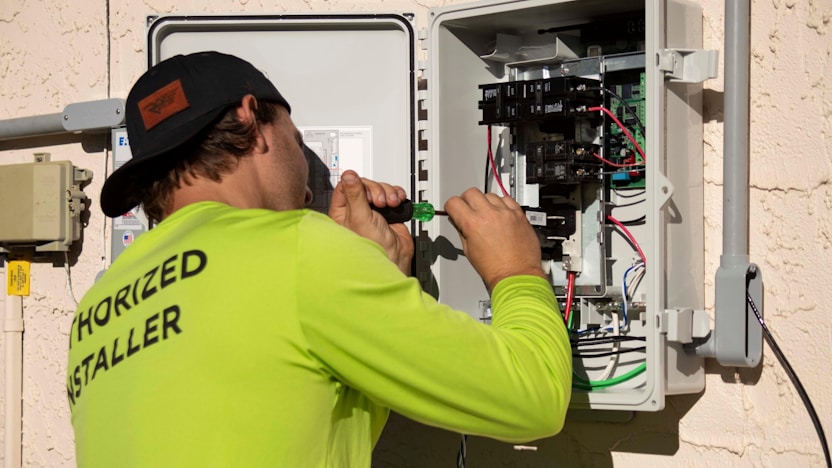
It may be tempting to fix electrical problems on your own, but unless you are trained, DIY electrical work can be extremely risky. Tasks like installing new wiring, repairing outlets, or upgrading your electrical panel require professional knowledge and proper tools. A licensed electrician ensures the job is done safely and in compliance with building codes. Professional help also reduces the chances of hidden problems that may lead to long-term hazards. Remember, saving a little money by avoiding professional services could end up costing more in damage or safety risks.
5. Turn Off Power Before Any Maintenance
One of the simplest but most important safety practices is to always switch off the power before working on any electrical fixture. Whether you are changing a bulb, replacing a switch, or doing light maintenance, turn off the circuit breaker that supplies electricity to that area. Even a minor task can be dangerous if the power is left on. This precaution eliminates the risk of accidental shocks and ensures a safer working environment.
Additional Safety Tips Every Homeowner Should Consider
While the five main tips above are the most essential, there are additional safety measures that can provide extra protection for your household:
- Teach children about electrical safety and keep outlets covered with safety caps to prevent accidents.
- Do not use appliances with wet hands or while standing on damp floors.
- Unplug appliances when not in use to save energy and prevent overheating.
- Schedule regular electrical inspections, especially if you live in an older home where wiring may be outdated.
- Invest in smoke detectors and fire extinguishers as added safety tools.
Conclusion
Electrical safety should never be taken lightly. Simple mistakes like overloading outlets, using damaged cords, or ignoring moisture near electrical devices can lead to serious accidents. By avoiding overloads, checking cords, keeping water away, relying on professionals, and turning off power during maintenance, you can greatly reduce risks in your home. Adding extra safety measures like childproofing outlets and conducting regular inspections will give you even more peace of mind.
Taking these steps not only protects your family but also helps your appliances last longer and operate more efficiently. A safe home is a happy home, and electrical safety plays a major role in keeping it that way.
Book Free Visit
Prepared to enhance your electrical system?