Familiarity with your home’s switchboard
The switchboard, often referred to as the electrical panel or breaker box, is the central hub of your home’s electrical system. It distributes electricity to every room and appliance, ensuring safe and controlled power supply throughout your home. While most homeowners rarely think about their switchboards, having a basic understanding of how they work can make a huge difference in emergencies, energy efficiency, and overall safety.
Why It’s Important to Know Your Switchboard
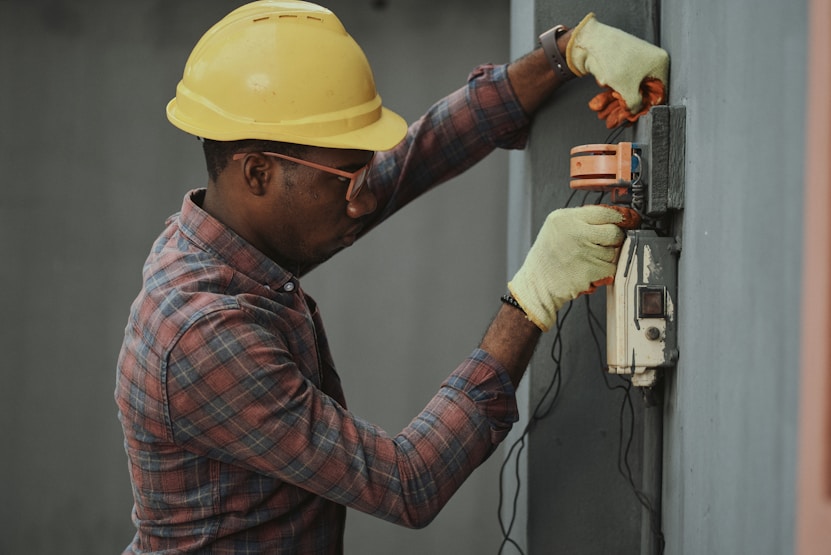
Many homeowners overlook their switchboards until something goes wrong—like a tripped breaker or sudden blackout. Familiarity with this system means you can respond quickly and safely when an issue arises. A well-labeled switchboard not only saves time but also prevents panic in stressful situations.
Key reasons to get familiar with your switchboard include:
- Quick response in case of power outages or tripped circuits
- Preventing overloads by understanding circuit distribution
- Safer handling of electrical emergencies
- Better communication with electricians when professional help is needed
The Basic Components
A switchboard may look intimidating at first, but it usually contains a few simple elements that are easy to understand:
- Main Switch: Controls the overall power supply to your home. Turning it off cuts electricity to the entire house.
- Circuit Breakers or Fuses: Protect individual circuits by shutting off power if there’s an overload or fault.
- Residual Current Devices (RCDs): Provide additional protection against electric shocks, especially in wet areas.
- Labels: Indicate which breaker controls which part of your home.
Knowing where these components are and how they function gives you confidence to act when necessary.
Common Situations You May Face
Homeowners often encounter issues like flickering lights, sudden blackouts, or an appliance tripping the breaker. In such cases, going to the switchboard is the first step. Resetting a tripped breaker is simple, but if the same circuit trips repeatedly, it signals an underlying problem that requires professional attention.
Signs you should not ignore:
- Breakers tripping frequently
- Burning smell or heat around the switchboard
- Buzzing or crackling sounds
- Visible damage, rust, or moisture near the panel
Safety Tips When Handling Switchboards
Even with basic knowledge, safety should always come first. Switchboards deal with high-voltage electricity, so careless handling can be dangerous.
Important practices include:
- Keep the area around the switchboard dry and clean
- Never touch the switchboard with wet hands
- Do not attempt repairs or modifications yourself
- Call a licensed electrician if you suspect serious issues
When to Call a Professional
While you can reset a breaker or turn off the main switch, anything beyond that should be handled by a professional. Regular inspections are also recommended, especially in older homes, to ensure wiring and safety devices are up to modern standards.
Conclusion
Your home’s switchboard is more than just a box of switches—it is the backbone of your electrical system. Familiarizing yourself with its layout and function empowers you to act quickly in emergencies and reduces the risks associated with electrical problems. By knowing the basics and respecting safety rules, you create a safer, more efficient living environment for your family.
Book Free Visit
Prepared to enhance your electrical system?