Five electrical safety tips each homeowner must understand.
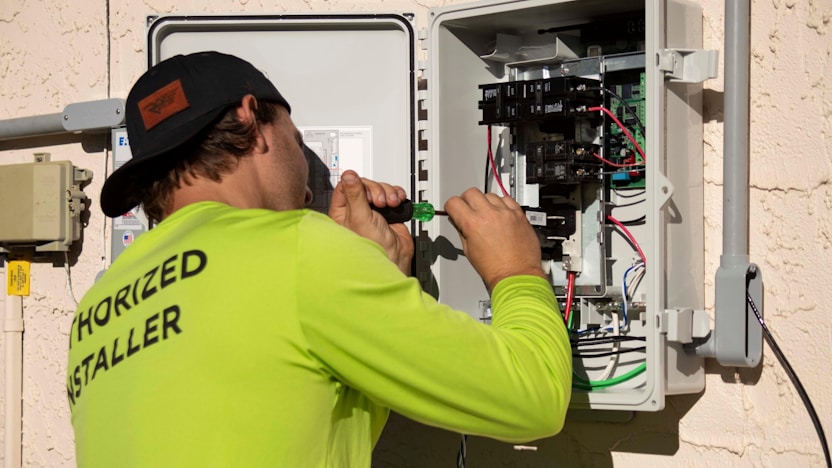
Discover essential electrical safety tips for every homeowner. Learn how to prevent hazards, protect your family, and keep your home’s electrical systems running safely and efficiently.
Electricity powers nearly everything we use in our homes—from appliances to lighting and entertainment. While it brings comfort and convenience, it also carries hidden risks when not handled properly. Every year, electrical issues cause thousands of preventable fires, injuries, and property damages. The good news is that by adopting a few safety habits, homeowners can significantly reduce these risks and keep their households safe.
Avoid Overloading Outlets
Plugging too many devices into a single outlet is one of the most common mistakes made at home. Overloaded outlets generate excess heat, which can melt wires, damage circuits, and in severe cases, spark fires. Many people also rely on extension cords as a permanent fix, but this only increases the danger.
Key reminders:
- Never connect multiple high-power appliances to one outlet
- Use surge-protected power strips instead of basic ones
- Spread out device usage across multiple circuits
By keeping outlet use balanced, you protect both your electrical system and your appliances from long-term damage.
Inspect Cords and Appliances Regularly
Cords and appliances may appear fine at a glance, but regular wear and tear often go unnoticed. Frayed or cracked cords, loose plugs, or appliances that spark or smell unusual are clear signs of danger.
Points to check:
- Replace cords that show any signs of damage
- Stop using appliances that make buzzing sounds or give off unusual heat
- Watch for burn marks near outlets or plugs
A few minutes of inspection can prevent accidents and extend the life of your devices.
Keep Water Away from Electricity
Water and electricity should never meet. Even small amounts of moisture can create powerful shocks. This makes kitchens, bathrooms, and outdoor areas high-risk zones. Ground Fault Circuit Interrupters (GFCIs) are essential in these areas, as they automatically shut off power when water contact is detected.
Best practices:
- Always dry your hands before touching switches or plugs
- Install GFCIs in wet areas for added safety
- Keep devices like kettles, hairdryers, and toasters away from sinks
Understand Your Electrical Panel
Your breaker box is the control center of your home’s electricity. Learning how it works gives you confidence in emergencies, such as when circuits trip or power outages occur. A clearly labeled panel ensures you can quickly identify and shut off circuits when needed.
Teach Children Electrical Safety
Children are naturally curious, and unprotected outlets or dangling cords can be dangerous. Educating them early about safe practices helps prevent accidents.
Tips for families:
- Cover unused outlets with safety caps
- Keep cords out of reach wherever possible
- Teach kids never to play with plugs, switches, or appliances
Practice Safe Appliance Habits
Even when switched off, appliances can continue drawing power. This not only wastes electricity but also raises fire risks. Developing safe usage habits keeps your household secure and efficient.
Key takeaways:
- Unplug devices like chargers, kettles, and toasters when not in use
- Use smart plugs to manage energy automatically
- Follow manufacturer’s safety instructions carefully
Light Fixtures and Bulbs Matter
Installing bulbs with higher wattage than recommended may seem harmless, but it can cause overheating and lead to fires. Switching to LED lights is a safer and more efficient choice—they consume less power, generate less heat, and cut down on electricity costs.
Schedule Professional Inspections
Even the most cautious homeowners can’t see hidden wiring issues. If your home is older or you notice frequent power trips, flickering lights, or warm outlets, it’s time to call a licensed electrician. Regular inspections catch problems early and ensure your system complies with safety standards.
Know Your Limits with DIY
Changing a lightbulb or resetting a breaker is simple and safe. But larger tasks like rewiring, installing circuits, or panel upgrades should always be left to certified electricians. Attempting these jobs without expertise not only increases risks but may also void insurance coverage.
Conclusion
Electrical safety isn’t about avoiding electricity—it’s about using it responsibly. From preventing outlet overloads to teaching children safe habits and scheduling professional inspections, every small step contributes to a safer home. By staying proactive, you safeguard your family, your appliances, and your property from potential hazards.
If you’re unsure about your home’s electrical safety, don’t wait until it’s too late. Schedule an inspection with a trusted professional today and enjoy the peace of mind that comes with a safe, efficient, and well-maintained electrical system.
Book Free Visit
Prepared to enhance your electrical system?