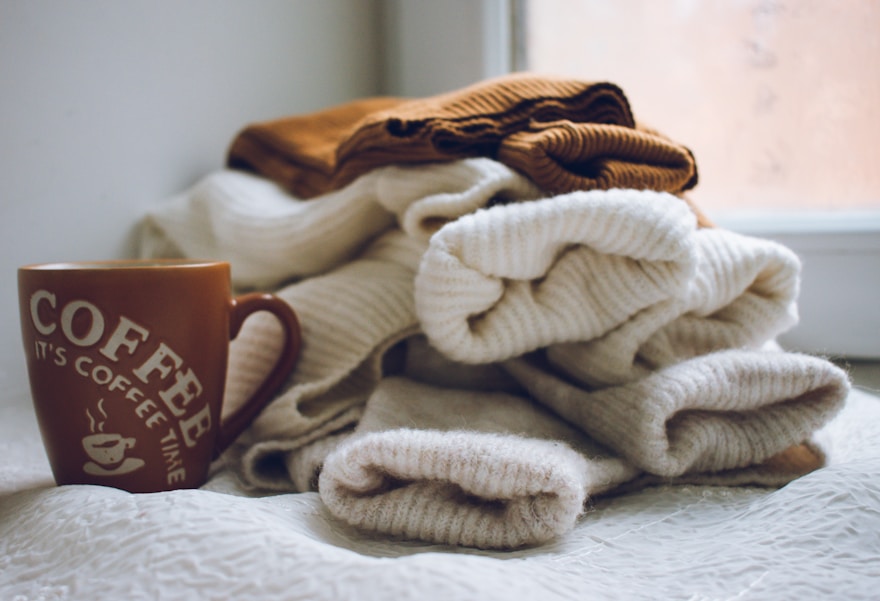
Choosing the right laundry tips is essential for keeping your clothes fresh, clean, and long-lasting. Proper laundry care ensures fabrics remain soft, colors stay vibrant, and garments maintain their original shape. With countless fabrics, detergents, and washing methods available, understanding how to select the correct laundry techniques can make a major difference in your clothing’s lifespan and overall appearance.
Expert laundry care starts with knowing your fabrics, following washing instructions, and applying thoughtful techniques that protect materials rather than damage them. Whether you’re washing daily wear, delicates, or heavily soiled items, selecting proper tips helps you achieve consistently flawless results.
Understanding Fabric Needs Before Washing
Every fabric has its own requirements. Selecting the right approach begins with understanding what your garment needs.
Fabric-wise considerations:
• Cotton: Handles warm water and strong detergents
• Wool: Needs gentle cycles and mild soaps
• Silk: Requires cold water and delicate care
• Synthetics: Prefer low heat and gentle washing
→ Knowing your fabrics prevents shrinking, fading, and fiber damage.
Sorting Clothes the Right Way
Proper sorting is a crucial step that many people overlook. When done correctly, it protects garments and enhances washing performance.
Sort based on:
• Color groups — whites, lights, and darks
• Fabric type — delicates, denim, heavy linens
• Soil level — lightly worn vs. heavily soiled
→ Sorting correctly reduces color bleeding, friction damage, and uneven cleaning.
Choosing the Right Detergent
Using the correct detergent makes a huge difference in cleaning efficiency and fabric care.
Types of detergents:
• Regular detergents for everyday clothes
• High-efficiency detergents for modern washing machines
• Delicate detergents for wool, silk, and lace
• Hypoallergenic detergents for sensitive skin
→ The right detergent cleans thoroughly without harming fabric fibers.
Treating Stains Properly
Stains demand special attention before washing. Waiting too long or using the wrong technique can set stains permanently.
Effective stain-treating practices:
• Pre-treat stains immediately with stain removers
• Blot, don’t rub — rubbing spreads stains
• Use cold water for blood and protein stains
• Use mild degreasers for oily marks
→ Proper stain treatment preserves both garment quality and appearance.
Setting the Correct Water Temperature
Temperature plays a major role in washing performance. Choosing the wrong setting can cause shrinkage or fading.
Temperature guidelines:
• Cold water — delicates, dark colors, and wool
• Warm water — everyday wear and colored fabrics
• Hot water — whites, towels, and deep cleaning
→ Correct temperatures protect colors and maintain fabric structure.
Dotted Key Highlights
• Check care labels before washing
• Avoid overloading your washing machine
• Use gentle cycles for delicate fabrics
• Turn clothes inside out to protect color
• Wash similar textures together for best results
Mastering Drying Techniques
Drying is just as important as washing. Overdrying weakens fibers, while incorrect air-drying may cause wrinkles.
Expert drying tips:
• Air-dry delicate fabrics to prevent damage
• Use low heat for synthetics to avoid melting
• Shake garments before drying to avoid deep creases
• Avoid overdrying — stop when garments are slightly damp
→ Correct drying increases softness and extends fabric life.
Finishing and Storing Clothes Properly
How you finish and store clean laundry determines how long it maintains its freshness and shape.
Finishing tips:
• Steam delicate fabrics instead of ironing
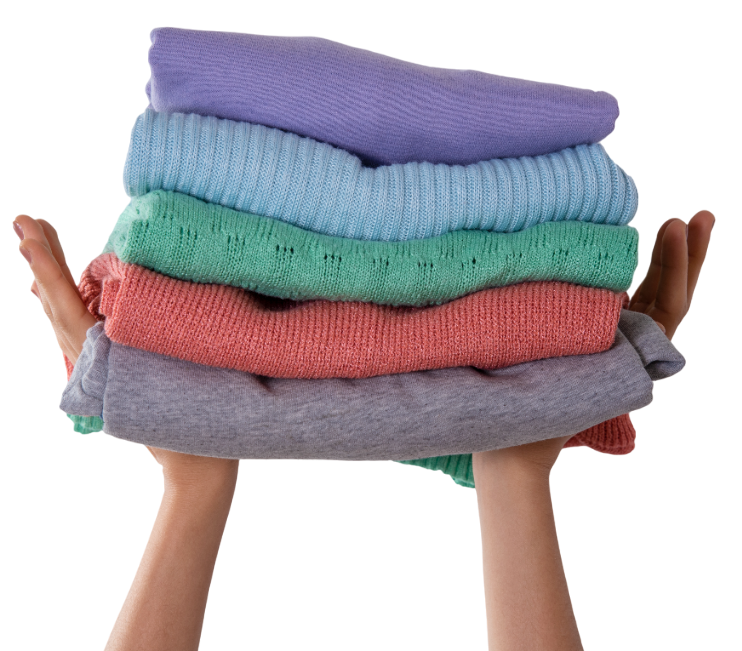
• Fold knitwear to prevent stretching
• Hang shirts and dresses to reduce wrinkles
• Store clothes in dry, cool places
→ Proper finishing ensures a neat, polished wardrobe.
Conclusion
Selecting proper laundry tips is the key to maintaining a high-quality wardrobe and ensuring your garments stay clean, soft, and long-lasting. By understanding fabric needs, using the right detergents, treating stains correctly, and mastering drying and finishing techniques, you create a professional laundry routine at home.