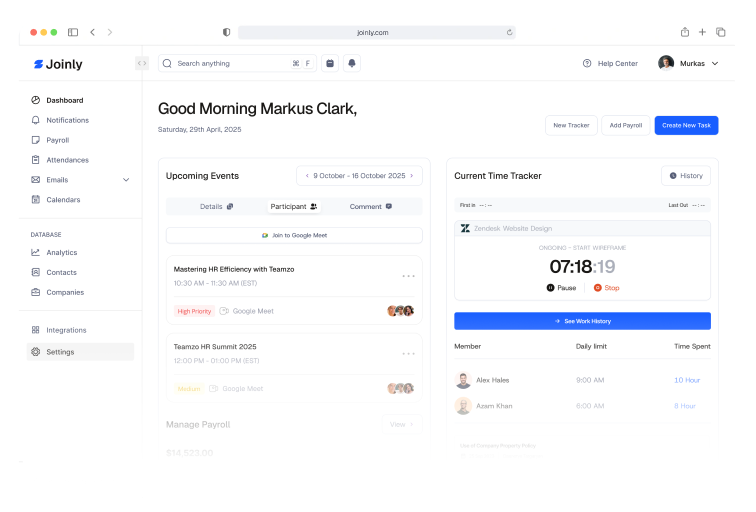
The Value of Monitoring Time Efficiency

In today’s fast-paced world, time is one of the most valuable resources we have. Whether you are an individual professional or managing a team, understanding how time is spent can make the difference between success and stagnation. Monitoring time efficiency isn’t just about keeping track of hours; it’s about gaining insights into productivity patterns, improving workflow, and achieving better results with less stress.
When time is monitored effectively, it reveals how tasks are distributed throughout the day and where potential bottlenecks occur. This allows individuals and organizations to identify areas that consume unnecessary effort and to focus on high-impact activities instead. By analyzing how time is allocated, it becomes easier to eliminate distractions, streamline processes, and enhance performance.
For businesses, time efficiency translates directly into financial gain. Accurate time tracking helps in project planning, resource allocation, and cost control. It ensures that deadlines are met without overworking employees or compromising quality. Moreover, it fosters accountability and transparency, which are key to maintaining a motivated and efficient workforce.
On a personal level, monitoring time efficiency can improve work-life balance. It encourages individuals to set realistic goals, prioritize essential tasks, and make more conscious decisions about how their time is spent. This awareness leads to increased productivity, reduced burnout, and greater overall satisfaction.
Ultimately, monitoring time efficiency is not about micromanagement—it’s about empowerment. It helps people and organizations work smarter, not harder, and create a sustainable rhythm that supports growth and success. By valuing time as the limited yet powerful resource it is, you can unlock new levels of productivity and purpose in everything you do.
In today’s fast-paced world, time is one of the most valuable resources we have. Whether you are an individual professional or managing a team, understanding how time is spent can make the difference between success and stagnation. Monitoring time efficiency isn’t just about keeping track of hours; it’s about gaining insights into productivity patterns, improving workflow, and achieving better results with less stress.
When time is monitored effectively, it reveals how tasks are distributed throughout the day and where potential bottlenecks occur. This allows individuals and organizations to identify areas that consume unnecessary effort and to focus on high-impact activities instead. By analyzing how time is allocated, it becomes easier to eliminate distractions, streamline processes, and enhance performance.
For businesses, time efficiency translates directly into financial gain. Accurate time tracking helps in project planning, resource allocation, and cost control. It ensures that deadlines are met without overworking employees or compromising quality. Moreover, it fosters accountability and transparency, which are key to maintaining a motivated and efficient workforce.
On a personal level, monitoring time efficiency can improve work-life balance. It encourages individuals to set realistic goals, prioritize essential tasks, and make more conscious decisions about how their time is spent. This awareness leads to increased productivity, reduced burnout, and greater overall satisfaction.
Ultimately, monitoring time efficiency is not about micromanagement—it’s about empowerment. It helps people and organizations work smarter, not harder, and create a sustainable rhythm that supports growth and success. By valuing time as the limited yet powerful resource it is, you can unlock new levels of productivity and purpose in everything you do.
In today’s fast-paced world, time is one of the most valuable resources we have. Whether you are an individual professional or managing a team, understanding how time is spent can make the difference between success and stagnation. Monitoring time efficiency isn’t just about keeping track of hours; it’s about gaining insights into productivity patterns, improving workflow, and achieving better results with less stress.
When time is monitored effectively, it reveals how tasks are distributed throughout the day and where potential bottlenecks occur. This allows individuals and organizations to identify areas that consume unnecessary effort and to focus on high-impact activities instead. By analyzing how time is allocated, it becomes easier to eliminate distractions, streamline processes, and enhance performance.
For businesses, time efficiency translates directly into financial gain. Accurate time tracking helps in project planning, resource allocation, and cost control. It ensures that deadlines are met without overworking employees or compromising quality. Moreover, it fosters accountability and transparency, which are key to maintaining a motivated and efficient workforce.
On a personal level, monitoring time efficiency can improve work-life balance. It encourages individuals to set realistic goals, prioritize essential tasks, and make more conscious decisions about how their time is spent. This awareness leads to increased productivity, reduced burnout, and greater overall satisfaction.
Ultimately, monitoring time efficiency is not about micromanagement—it’s about empowerment. It helps people and organizations work smarter, not harder, and create a sustainable rhythm that supports growth and success. By valuing time as the limited yet powerful resource it is, you can unlock new levels of productivity and purpose in everything you do.
In today’s fast-paced world, time is one of the most valuable resources we have. Whether you are an individual professional or managing a team, understanding how time is spent can make the difference between success and stagnation. Monitoring time efficiency isn’t just about keeping track of hours; it’s about gaining insights into productivity patterns, improving workflow, and achieving better results with less stress.
When time is monitored effectively, it reveals how tasks are distributed throughout the day and where potential bottlenecks occur. This allows individuals and organizations to identify areas that consume unnecessary effort and to focus on high-impact activities instead. By analyzing how time is allocated, it becomes easier to eliminate distractions, streamline processes, and enhance performance.
For businesses, time efficiency translates directly into financial gain. Accurate time tracking helps in project planning, resource allocation, and cost control. It ensures that deadlines are met without overworking employees or compromising quality. Moreover, it fosters accountability and transparency, which are key to maintaining a motivated and efficient workforce.
On a personal level, monitoring time efficiency can improve work-life balance. It encourages individuals to set realistic goals, prioritize essential tasks, and make more conscious decisions about how their time is spent. This awareness leads to increased productivity, reduced burnout, and greater overall satisfaction.
Ultimately, monitoring time efficiency is not about micromanagement—it’s about empowerment. It helps people and organizations work smarter, not harder, and create a sustainable rhythm that supports growth and success. By valuing time as the limited yet powerful resource it is, you can unlock new levels of productivity and purpose in everything you do.
The Joinly Journal
The Importance of Time Tracking Productivity
Time is one of the most valuable resources in both personal and

The Importance of Time Tracking Productivity
In the modern world, where competition is intense and efficiency defines success,
Smart HR Starts Here