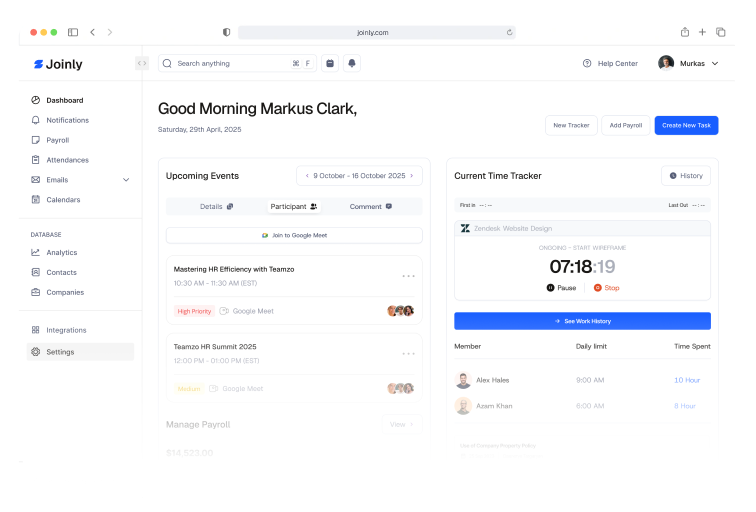
When to Scale Your HR System (And How to Do It Right)

The foundation of accountability starts with clear expectations. Remote teams thrive when every member understands their role, responsibilities, and the outcomes they’re expected to deliver. Without this clarity, accountability quickly breaks down because people aren’t sure what they’re being held accountable for. Leaders must define what success looks like for each role and each project. Deliverables, timelines, and responsibilities should be documented and easily accessible, so there’s no ambiguity. When expectations are clear, people can take ownership of their work with confidence.
In remote environments, communication replaces visibility. You can’t see who’s at their desk or how long they’re working—but that’s not what matters. What matters is progress, results, and how well individuals stay aligned with the team’s goals. Frequent, structured communication helps ensure that everyone remains on the same page. This doesn’t mean more meetings—it means intentional check-ins, asynchronous updates, and shared platforms where progress is visible. Daily stand-ups, weekly status updates, or simple project dashboards can do wonders in keeping everyone informed without becoming overwhelming.
Accountability also relies heavily on trust. Leaders must resist the urge to over-monitor and instead foster a sense of ownership among team members. Micromanaging erodes trust and often results in disengagement. When people feel trusted, they are far more likely to rise to the occasion and deliver. One of the most powerful ways to show trust is to give people the autonomy to decide how they work best—as long as they meet their goals. Flexibility with working hours, task execution, and communication styles creates a sense of empowerment that naturally encourages accountability.
Recognition plays a significant role in reinforcing accountability. When team members consistently meet deadlines, take initiative, or help solve problems, acknowledging their contributions strengthens the culture. It signals to the entire team that accountability isn’t just expected—it’s appreciated. Recognition doesn’t have to be grand. A simple shoutout in a team meeting, a quick thank-you message, or a public acknowledgment in a group chat can go a long way in reinforcing positive behavior.
Another key element is creating a safe space for feedback. Accountability doesn’t only apply when things go right—it’s also critical when things go wrong. Remote teams need to feel psychologically safe to admit mistakes, ask for help, and provide honest feedback. If employees fear being blamed or punished, they’re more likely to hide issues, which only undermines accountability. When leaders model vulnerability, admit their own mistakes, and focus on solutions instead of blame, it creates a culture where accountability is shared, not imposed.
Tools and systems can support accountability, but they shouldn’t replace human connection. Project management tools like Asana, Trello, or ClickUp help keep track of tasks and timelines. Time tracking tools, when used transparently, can offer insights into productivity trends. Communication platforms like Slack or Microsoft Teams keep teams connected. However, tools are only effective when combined with strong leadership, open communication, and mutual respect.
Remote accountability also means checking in on well-being. Burnout, isolation, and overwork can all affect performance, even when the desire to stay accountable is strong. Leaders need to be aware of the human side of remote work. Regular one-on-ones, mental health check-ins, and encouraging time off are essential. Accountability should never come at the cost of well-being. In fact, a healthy work-life balance often leads to better accountability because people are more engaged, focused, and motivated.
Perhaps most importantly, accountability in remote teams must be modeled from the top. Leaders set the tone. When leaders are transparent about their own goals, communicate openly, follow through on commitments, and take responsibility for outcomes, it creates a ripple effect throughout the team. People mirror the behavior they see. A culture of accountability isn’t built through rules—it’s built through consistent actions.
In the end, creating a culture of accountability remotely is about building a system of mutual respect and shared responsibility. It’s about aligning on goals, staying connected through communication, and giving people the space and support they need to do their best work. Accountability becomes a shared value—not something enforced, but something embraced. And when that happens, remote teams don’t just function—they thrive.
The Joinly Journal
The Importance of Time Tracking Productivity
Time is one of the most valuable resources in both personal and

The Importance of Time Tracking Productivity
In the modern world, where competition is intense and efficiency defines success,
Smart HR Starts Here