The Significance of Recording Time Output

In today’s competitive and fast-paced professional landscape, efficiency has become one of the most crucial factors for success. Every organization, regardless of its size or industry, depends heavily on how well time is managed and utilized. Recording time output — the practice of tracking and analyzing how time is spent on specific tasks, projects, or goals — plays a pivotal role in maximizing productivity, improving accountability, and ensuring optimal resource management. Far from being a bureaucratic exercise, it is a strategic tool that offers valuable insights into performance, helps identify inefficiencies, and drives sustainable growth.
At its core, recording time output is about awareness. Many people move through their daily routines unaware of how much time is actually consumed by repetitive tasks, distractions, or low-value activities. Without proper tracking, it becomes difficult to distinguish between being busy and being truly productive. By recording time output, individuals and organizations can visualize their time usage, pinpoint inefficiencies, and make informed decisions about how to allocate effort more effectively. This awareness is often the first step toward meaningful improvement.
For businesses, one of the most significant benefits of recording time output lies in project management and planning. Accurate time records help managers estimate the duration and effort required for future projects based on past data. This leads to more realistic scheduling, better budgeting, and a higher likelihood of meeting deadlines. For example, if a design firm tracks the time spent on previous campaigns, it can identify patterns—such as how long it takes to complete certain stages or which tasks consistently take longer than expected—and use that data to plan future projects more efficiently. Over time, this builds a strong foundation for operational consistency and improved client satisfaction.
Another critical aspect is accountability and transparency. Recording time output fosters a culture of responsibility within an organization. When employees log their work hours or track their tasks, they develop a clearer understanding of their contributions and workload. This not only helps managers assess performance more objectively but also empowers employees to take ownership of their productivity. Transparency in time management reduces misunderstandings about workload distribution, promotes fairness, and encourages open communication about challenges that affect efficiency.
Moreover, recording time output provides a reliable basis for performance evaluation. It allows leaders to identify top performers, understand what drives their success, and replicate those practices across teams. Conversely, it also helps detect areas where additional training, support, or process adjustments might be needed. Performance reviews become more data-driven and less subjective, which can improve motivation and engagement. Employees who see that evaluations are based on measurable effort and output are more likely to feel valued and fairly assessed.
Beyond improving internal operations, recording time output also has significant financial implications. Time directly impacts cost, especially in service-based industries where billing is often based on hours worked. Accurate time tracking ensures fair billing for clients and prevents revenue leakage from unrecorded work. For companies with salaried employees, it provides insights into productivity trends that can influence strategic decisions such as hiring, workload balancing, or process automation. Ultimately, by understanding where time and effort are being spent, organizations can make smarter financial decisions and allocate resources more efficiently.
On an individual level, recording time output can transform personal productivity. Professionals who track their time often discover patterns that reveal how much of their day is consumed by non-essential tasks, meetings, or digital distractions. This awareness allows them to set clearer priorities, manage their energy better, and focus on high-value activities that align with their goals. In a world where burnout is increasingly common, time recording can also promote better work-life balance by helping individuals set boundaries and recognize when they are overextending themselves.
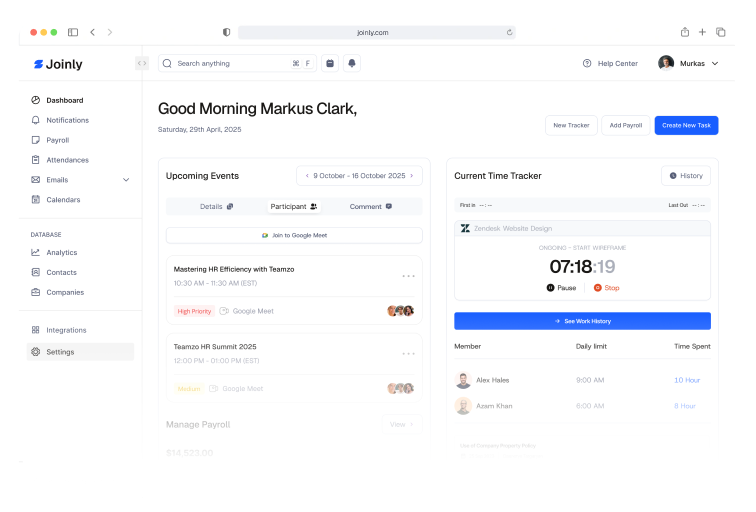
Technology has made recording time output easier and more efficient than ever. Tools such as time-tracking software, digital calendars, and productivity apps can automatically record time spent on different tasks and generate detailed reports. These insights help both individuals and teams continuously refine their approach to work. However, it’s important that time recording is implemented thoughtfully. It should not be perceived as surveillance but as a means of empowerment and self-improvement. When introduced transparently and supported by clear communication, it becomes a tool that benefits everyone involved.
Ultimately, the significance of recording time output goes far beyond simple measurement—it is about transformation. It transforms uncertainty into clarity, inefficiency into improvement, and effort into measurable progress. By embracing the discipline of time recording, organizations can achieve higher productivity, stronger accountability, and more sustainable growth. For individuals, it opens the door to self-awareness, balance, and purposeful achievement. Time, once tracked and understood, becomes more than just hours in a day—it becomes a powerful ally in the pursuit of excellence.
The Joinly Journal

The Importance of Time Tracking Productivity
Time is one of the most valuable resources in both personal and

The Importance of Time Tracking Productivity
In the modern world, where competition is intense and efficiency defines success,
Smart HR Starts Here