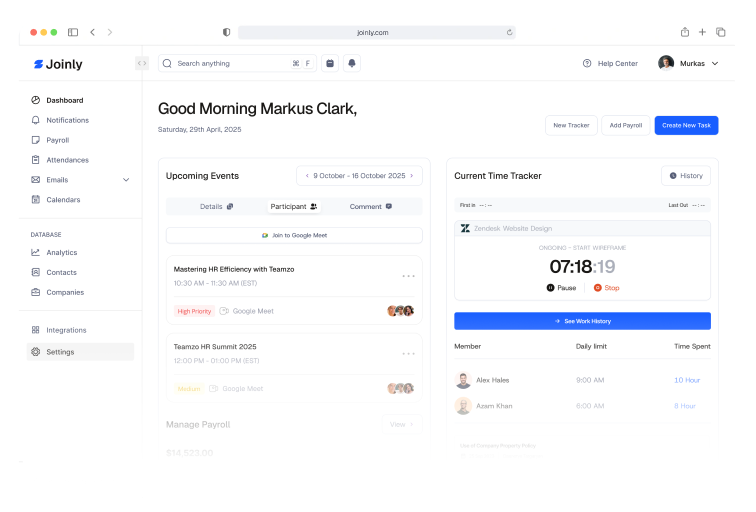
The Importance of Time Tracking Productivity

In the modern world, where competition is intense and efficiency defines success, time has become one of the most valuable assets. Managing it effectively is no longer a choice but a necessity. Time tracking productivity—the practice of monitoring how time is spent on different tasks and projects—plays a critical role in helping individuals and organizations reach their full potential. It goes beyond simply recording hours; it provides insights into habits, efficiency, and performance that can drive meaningful improvement.
At its foundation, time tracking promotes awareness. Many professionals go through their day without realizing how much time is consumed by small, repetitive tasks or distractions. Without visibility, it’s easy to mistake being busy for being productive. Tracking time offers a clear picture of where hours are being invested and what activities yield the greatest results. This awareness helps individuals identify wasted time and redirect their energy toward high-priority work that adds real value.
For organizations, time tracking is an essential tool for project management and planning. By keeping accurate records of how long tasks take, companies can create realistic schedules, allocate resources efficiently, and prevent burnout among team members. Managers can better estimate project timelines, set achievable deadlines, and avoid the common pitfall of overcommitting. For instance, a marketing agency that tracks time across various campaigns can quickly identify which types of projects require more effort and adjust future plans accordingly. Over time, this leads to smoother workflows and greater consistency in delivering results.
Time tracking also enhances accountability and transparency. When employees log their work hours and activities, it creates a culture of responsibility. Everyone becomes more conscious of their performance and contributions. Managers gain a clearer understanding of how workloads are distributed, which helps ensure fairness and balance across teams. This level of transparency not only boosts trust but also encourages open discussions about challenges, bottlenecks, and ways to improve productivity.
From a performance management perspective, time tracking provides valuable data for evaluating effectiveness. It allows organizations to identify their top performers and understand what drives their efficiency. Likewise, it highlights areas where additional support or training might be needed. Performance evaluations become more objective because they’re based on measurable output rather than assumptions. Employees also benefit, as they can use time-tracking insights to showcase their contributions, negotiate workloads, or even improve their own time management strategies.
Financially, time tracking has a direct impact on profitability and cost control. In industries that rely on billable hours—such as consulting, design, or law—accurate time tracking ensures that clients are billed fairly and that no work goes unaccounted for. For salaried organizations, the data gathered helps leaders understand where company time is going and whether processes are efficient. This can influence major decisions, such as hiring new staff, redistributing tasks, or investing in automation tools. When time data is analyzed properly, it often reveals hidden inefficiencies that, once addressed, can significantly increase revenue and reduce waste.
On a personal level, tracking time can lead to profound improvements in productivity and well-being. Many people underestimate how easily distractions—like social media, unnecessary meetings, or multitasking—can erode valuable hours. By tracking their time, individuals can set realistic goals, establish focused work periods, and better manage their daily routines. This sense of structure not only enhances performance but also reduces stress and burnout. When people see tangible evidence of their progress, they feel more motivated and in control of their work-life balance.
Technology has made time tracking simpler and more insightful than ever. With digital tools and apps, it’s easy to log hours automatically, categorize tasks, and generate detailed productivity reports. These platforms can even integrate with project management systems, offering real-time visibility into team progress. However, it’s important that organizations implement time tracking thoughtfully. It should be positioned as a supportive productivity tool, not as a means of surveillance. When employees understand that the goal is to empower them to work smarter rather than harder, they’re far more likely to embrace the system and benefit from it.
Ultimately, the importance of time tracking productivity lies in its ability to transform how people and organizations work. It shifts the focus from simply completing tasks to achieving meaningful outcomes efficiently. It fosters self-awareness, encourages accountability, and helps teams align their efforts with their goals. In a world where every minute counts, time tracking ensures that those minutes are used wisely.
By understanding how time is spent, individuals can make better choices, and businesses can operate with greater precision and agility. The result is not just more productivity—but smarter productivity, where time becomes a tool for growth, balance, and lasting success.
The Joinly Journal

The Importance of Time Tracking Productivity
Time is one of the most valuable resources in both personal and
The Importance of Time Tracking Productivity
In the modern world, where competition is intense and efficiency defines success,
Smart HR Starts Here