
Signs Your Roof Needs Immediate Repair
Your roof is not just a protective layer—it shields your family, belongings, and home structure from rain, wind, heat,
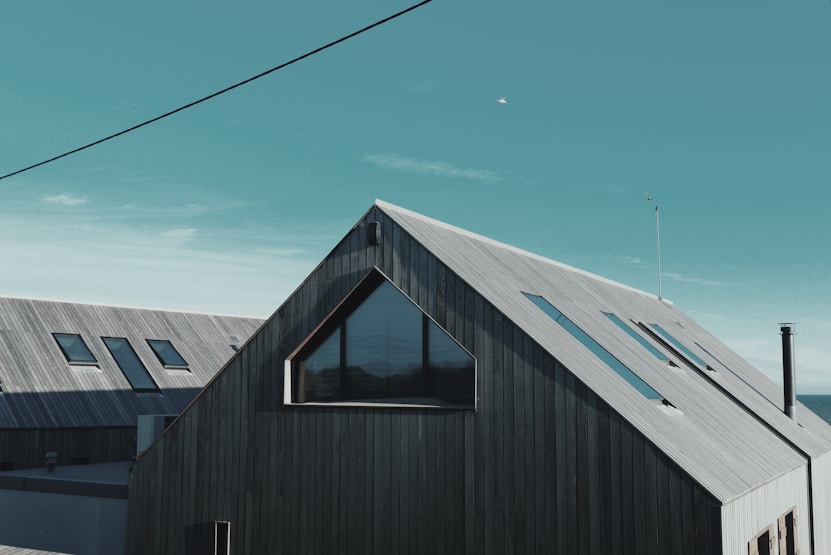
Your roof is not just a protective layer—it shields your family, belongings, and home structure from rain, wind, heat, and snow. But even the strongest roofing system has a lifespan. Over time, wear and tear, harsh weather, or poor maintenance can create serious problems. Ignoring these warning signs can lead to costly repairs, water damage, or even structural collapse.
1. Leaks and Water Stains
- What to Look For: Water dripping from the ceiling, damp patches on walls, or brown stains spreading across ceilings.
- Why It Happens: Damaged shingles, worn flashing, or cracks in the roof membrane.
- Risks: Mold growth, electrical hazards, weakened insulation, and interior damage.
- Action: Call a roofer immediately to identify the leak source and prevent further water intrusion.
2. Missing, Cracked, or Curling Shingles
- What to Look For: Shingles that are broken, curling upward, cracked, or completely missing after storms.
- Why It Happens: Age, poor-quality materials, or high winds.
- Risks: Exposes the underlayment to water, leading to leaks and rotting.
- Action: Replace damaged shingles before the problem spreads across the roof.
3. Sagging Roof Deck
- What to Look For: Roofline that dips, sags, or looks uneven from outside.
- Why It Happens: Moisture damage, weak rafters, or poor installation.
- Risks: Structural collapse, especially under heavy rain or snow.
- Action: Immediate inspection—this is one of the most dangerous warning signs.
4. Granules in Gutters or Around the House
- What to Look For: Grit-like particles from shingles collecting in gutters, downspouts, or on the ground.
- Why It Happens: Asphalt shingles shedding their protective coating due to aging or harsh sunlight.
- Risks: Roof becomes less resistant to UV damage and leaks.
- Action: If granule loss is widespread, roof replacement may be needed.
5. Mold, Moss, or Algae Growth
- What to Look For: Green moss, dark streaks, or fuzzy growth on roof surfaces.
- Why It Happens: Trapped moisture, poor ventilation, or shaded roof areas.
- Risks: Weakens shingles, causes wood rot, and may spread into attic insulation.
- Action: Clean with professional solutions and check ventilation systems.
6. Damaged Flashing and Sealants
- What to Look For: Cracks, rust, or missing flashing around chimneys, skylights, vents, and valleys.
- Why It Happens: Weather exposure or improper installation.
- Risks: Water enters through small gaps and damages ceilings or walls.
- Action: Replace or reseal flashing promptly.
7. Rising Energy Bills
- What to Look For: Sudden increase in cooling costs during summer or heating bills during winter.
- Why It Happens: Damaged roofing and poor insulation allow air leaks.
- Risks: Higher energy expenses and indoor discomfort.
- Action: Inspect insulation and ventilation along with roof condition.
8. Interior Attic Problems
- What to Look For: Sunlight streaming through the roof boards, damp insulation, or musty smells.
- Why It Happens: Gaps in the roof, cracked shingles, or inadequate underlayment.
- Risks: Water penetration, mold buildup, pest infestations.
- Action: Inspect attic regularly to catch early roof problems.
9. Roof Age and Visible Wear
- What to Look For: Roof older than 20–25 years, faded appearance, brittle shingles.
- Why It Happens: Natural aging of materials over decades.
- Risks: Roof failure at any time, even without visible leaks.
- Action: Consider professional evaluation and possible replacement.
Conclusion
A roof in distress shows clear signs—leaks, sagging, missing shingles, mold, and rising energy costs are just a few. Addressing these issues early saves money, prevents interior damage, and extends the roof’s lifespan. Regular inspections—especially after storms—are essential. When in doubt, consult a roofing professional to assess whether you need repair or replacement.
Read More Articles
Choosing the Right Roofing Material for Your Home
The roof is one of the most important parts of any home—it protects against harsh weather,
Flat vs. Sloped Roofs: Which One Is Right for You?
When building or renovating a home, one of the most important decisions is choosing the roof