
Flat vs. Sloped Roofs: Which One Is Right for You?
When building or renovating a home, one of the most important decisions is choosing the roof style. Roofs are
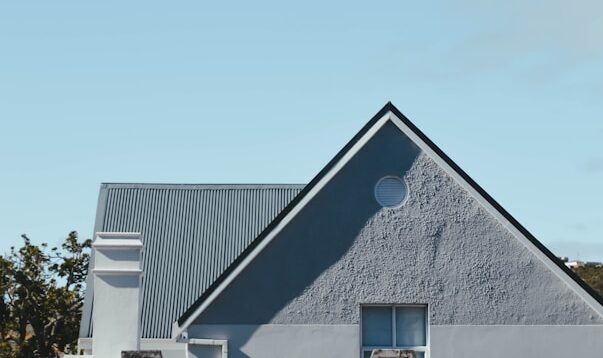
When building or renovating a home, one of the most important decisions is choosing the roof style. Roofs are more than just protection—they affect a home’s appearance, durability, energy efficiency, and maintenance needs. The two most common styles are flat roofs and sloped roofs, each with its own strengths and drawbacks. Understanding the differences will help you choose the right option for your home.
Flat Roofs
Key Features
A flat roof has a nearly horizontal surface with a very slight slope for water drainage. They are common in modern homes, commercial buildings, and urban areas.
Advantages
- Modern Appearance: Sleek, minimalist style ideal for contemporary architecture.
- Usable Space: Can be converted into a rooftop garden, terrace, or even solar panel installation.
- Easy Installation & Maintenance: Generally faster and less expensive to install. Accessing the roof for cleaning or repairs is easier.
- Cost-Effective: Requires fewer materials compared to sloped roofs.
Disadvantages
- Drainage Issues: Water and snow may accumulate, leading to leaks if not properly maintained.
- Shorter Lifespan: Flat roofs often need more frequent repairs compared to sloped ones.
- Not Ideal for Heavy Rain or Snow: Excessive moisture can weaken the structure over time.
Best For
- Urban homes with limited outdoor space.
- Homeowners wanting modern, functional rooftop areas.
- Areas with mild or dry climates.
Sloped Roofs
Key Features
A sloped (or pitched) roof has an angled surface that allows water and snow to slide off easily. It is the most common type seen in traditional homes around the world.
Advantages
- Excellent Drainage: Rain and snow run off quickly, reducing the risk of leaks.
- Durability: Longer lifespan due to reduced water pooling.
- Versatility: Available in many styles (gable, hip, mansard, etc.) and materials.
- Energy Efficiency: Provides attic space for ventilation and insulation, helping regulate indoor temperatures.
- Curb Appeal: Adds character and enhances traditional or classic home designs.
Disadvantages
- Higher Cost: More materials and labor make it more expensive than flat roofs.
- Maintenance Difficulty: Harder and riskier to access for repairs or cleaning.
- Not Ideal for Modern Style Homes: May not suit contemporary architectural designs.
Best For
- Homes in regions with heavy rainfall or snowfall.
- Families seeking a long-lasting, low-maintenance option.
- Traditional-style houses where sloped designs match aesthetics.
Comparison at a Glance
| Feature | Flat Roofs | Sloped Roofs |
|---|---|---|
| Style | Modern, sleek | Traditional, classic |
| Durability | 15–25 years (with upkeep) | 25–50+ years (depending on material) |
| Drainage | Requires extra care | Excellent natural drainage |
| Usable Space | Can be functional (terrace/solar) | Limited, attic storage only |
| Cost | Lower upfront cost | Higher installation cost |
| Best For | Mild/dry climates, urban homes | Wet/snowy climates, family homes |
Conclusion
Both flat and sloped roofs offer unique benefits. A flat roof is ideal for modern designs, maximizing space, and urban living, while a sloped roof provides durability, excellent drainage, and timeless charm. The right choice depends on your climate, budget, and home style preferences. By considering these factors, you can select a roof that balances beauty, performance, and long-term value.
Read More Articles
Choosing the Right Roofing Material for Your Home
The roof is one of the most important parts of any home—it protects against harsh weather,
Signs Your Roof Needs Immediate Repair
Your roof is not just a protective layer—it shields your family, belongings, and home structure from