Rooftop Solar vs. Ground-Mounted Systems: Which Is Right for You?
When considering switching to solar energy, one of the first decisions you’ll face is whether to install a rooftop solar system or a ground-mounted one. Both options offer significant benefits, but the right choice depends on your available space, energy needs, budget, and long-term goals.
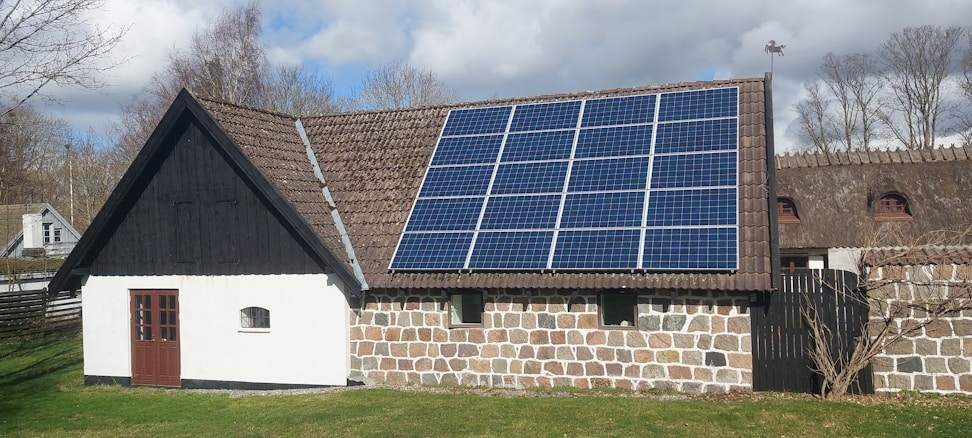
Rooftop solar systems are the most common choice for residential and urban installations. They utilize the unused space on your building’s roof, making them a convenient and space-saving option. Rooftop systems are generally more cost-effective to install, as they require less supporting infrastructure and wiring. They also qualify for various government subsidies, particularly in residential applications, making them more accessible for homeowners. However, their efficiency depends on the roof’s orientation, tilt, and shading. If your roof is too small, shaded, or structurally weak, it may not support a system large enough to meet your energy needs.
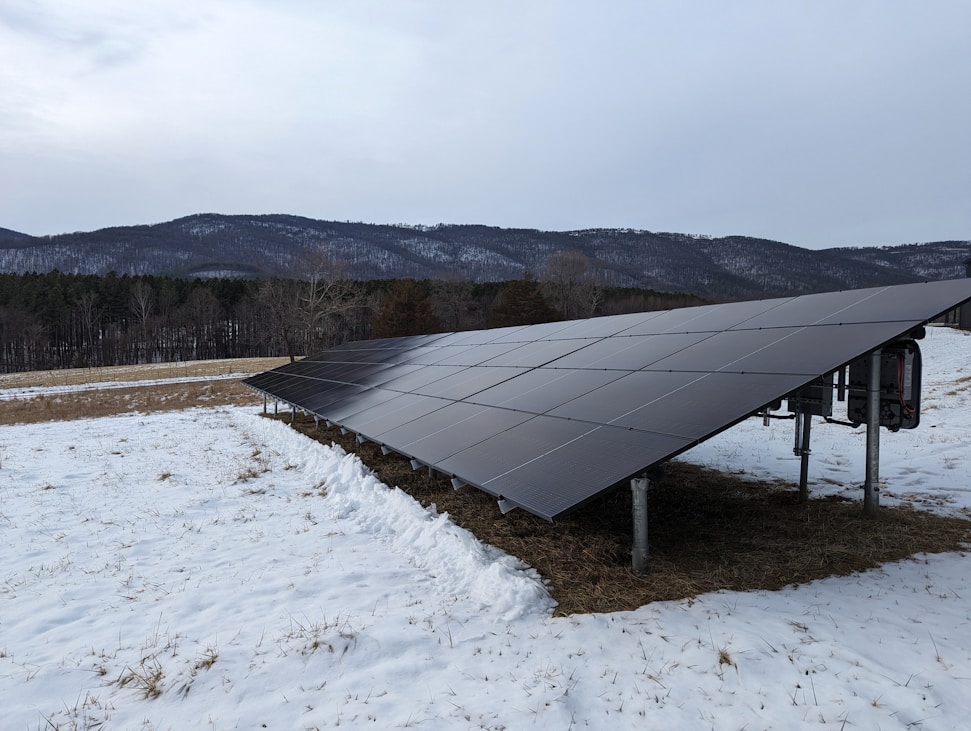
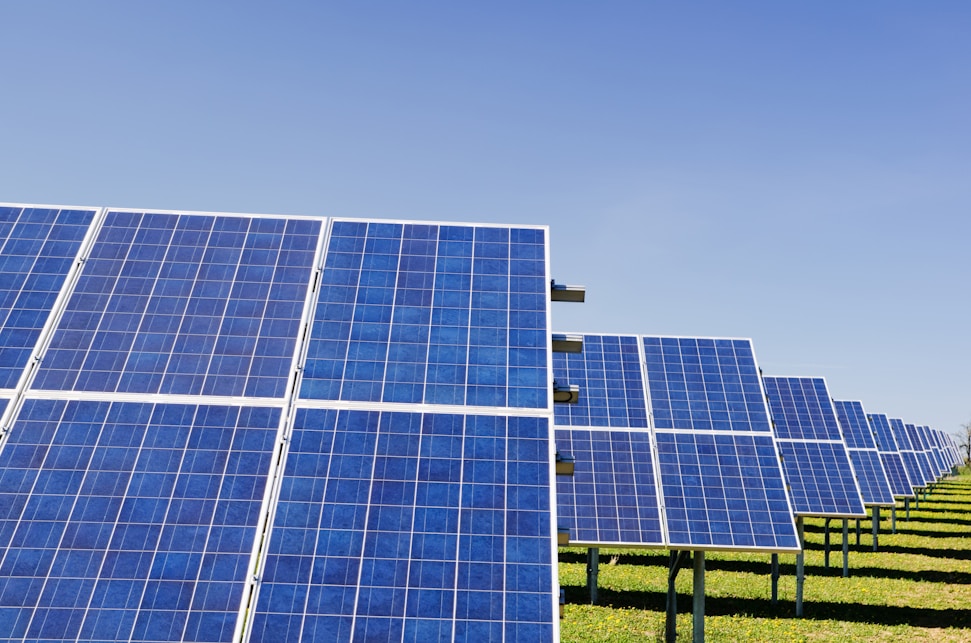
On the other hand, ground-mounted solar systems are typically used for larger properties, commercial installations, or where roof space is limited or unsuitable. These systems are installed on open land and can be positioned for optimal sunlight exposure, often resulting in higher efficiency. Ground-mounted systems are easier to access for cleaning and maintenance, and they can be expanded more easily if energy demand increases. However, they usually involve higher installation costs due to the need for additional structures and land preparation. They also require dedicated space, which may not be feasible in densely populated or urban areas.
Choosing between rooftop and ground-mounted solar ultimately comes down to your specific situation. If you have a strong, shade-free roof and moderate energy requirements, a rooftop system is likely the better choice. But if you have ample open land and need a larger or more efficient system, a ground-mounted installation could offer better long-term performance and scalability.
Both options provide clean, renewable energy and help reduce your electricity bills. Assessing your property layout, budget, and future energy goals will help you make the right decision and get the most value from your solar investment.
When considering switching to solar energy, one of the first decisions you’ll face is whether to install a rooftop solar system or a ground-mounted one. Both options offer significant benefits, but the right choice depends on your available space, energy needs, budget, and long-term goals.
Rooftop solar systems are the most common choice for residential and urban installations. They utilize the unused space on your building’s roof, making them a convenient and space-saving option. Rooftop systems are generally more cost-effective to install, as they require less supporting infrastructure and wiring. They also qualify for various government subsidies, particularly in residential applications, making them more accessible for homeowners. However, their efficiency depends on the roof’s orientation, tilt, and shading. If your roof is too small, shaded, or structurally weak, it may not support a system large enough to meet your energy needs.
On the other hand, ground-mounted solar systems are typically used for larger properties, commercial installations, or where roof space is limited or unsuitable. These systems are installed on open land and can be positioned for optimal sunlight exposure, often resulting in higher efficiency. Ground-mounted systems are easier to access for cleaning and maintenance, and they can be expanded more easily if energy demand increases. However, they usually involve higher installation costs due to the need for additional structures and land preparation. They also require dedicated space, which may not be feasible in densely populated or urban areas.
Choosing between rooftop and ground-mounted solar ultimately comes down to your specific situation. If you have a strong, shade-free roof and moderate energy requirements, a rooftop system is likely the better choice. But if you have ample open land and need a larger or more efficient system, a ground-mounted installation could offer better long-term performance and scalability.
Both options provide clean, renewable energy and help reduce your electricity bills. Assessing your property layout, budget, and future energy goals will help you make the right decision and get the most value from your solar investment.
Helpful individuals stand by eagerly.
1. Advanced Production Technology
2. Quality Control & Testing
3. Sustainable Manufacturing Practices
GET A FREE INSPECTION & QUOTE

READ MORE ARTICLE