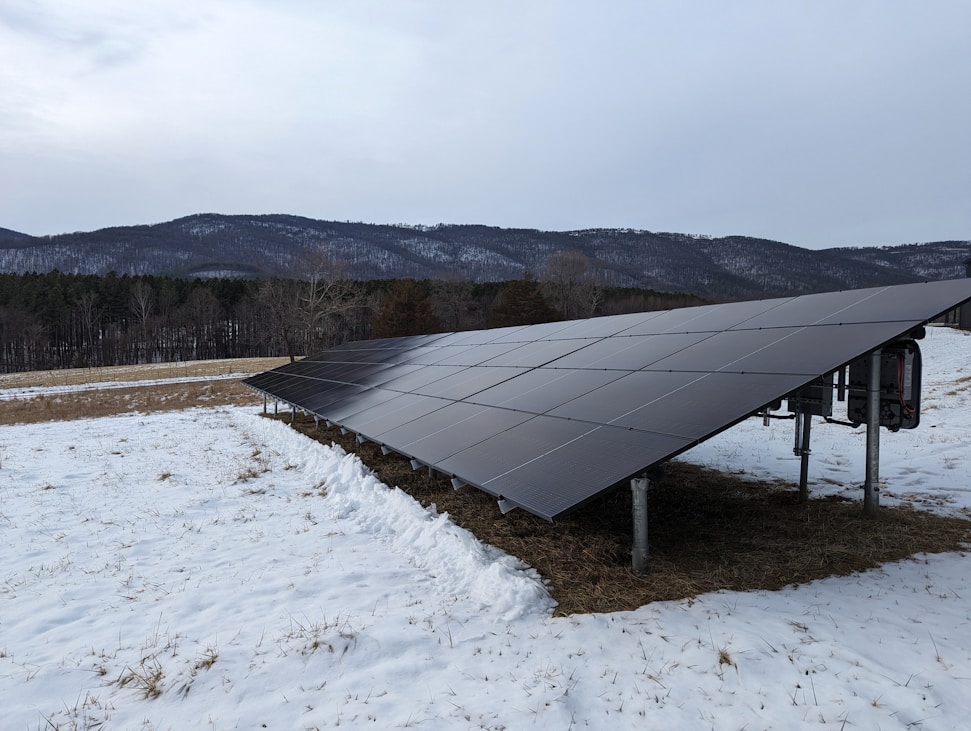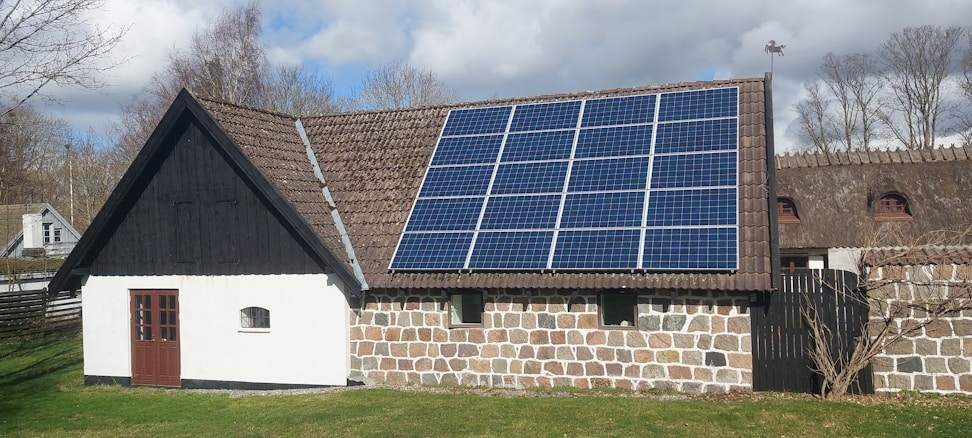
The Evolution of Solar Technology: Then vs. Now

Solar energy has traveled an extraordinary path from a niche scientific concept to a mainstream power solution embraced worldwide. In the early days, solar technology was rudimentary, expensive, and far from efficient. The first photovoltaic cell, developed in the 1950s by Bell Labs, could only convert around 6% of sunlight into electricity. These early cells were mostly used in space exploration, where their high cost was justified by the need for a reliable energy source in remote conditions.
During the 1970s and 1980s, the world began to take a more serious interest in solar power, largely driven by oil shortages and environmental concerns. However, the technology was still in its infancy. Panels were bulky, inefficient, and very expensive. A solar system for a small house could cost several times more than it does today, and the return on investment was minimal for the average consumer. Adoption was slow, and solar remained largely out of reach for mainstream residential or commercial use.
The turning point came in the 2000s, as global awareness of climate change grew and governments began offering incentives for clean energy. At the same time, technological innovations started to accelerate. Manufacturing processes improved, driving down the cost of producing solar panels. Materials became more refined, and engineering breakthroughs—such as the development of monocrystalline and polycrystalline silicon cells—led to substantial increases in efficiency and durability.
Today, solar panels are capable of achieving efficiency rates of 20% and higher, with cutting-edge technologies like PERC (Passivated Emitter and Rear Cell), bifacial panels, and thin-film solutions pushing the boundaries even further. These advancements mean that modern solar systems can produce more power in less space and with lower investment compared to just a decade ago. Installation methods have also improved dramatically. What once took days or even weeks to set up can now be completed in a matter of hours, thanks to pre-configured systems, better mounting equipment, and standardized procedures.
Another major evolution is the rise of smart solar systems. Unlike traditional setups, today’s systems are often integrated with smart inverters, real-time monitoring apps, and battery storage. This means users can track their power generation and consumption in real time, store excess energy for use during peak hours, and even sell surplus electricity back to the grid in regions where net metering is allowed. Solar has shifted from being just a power source to a smart energy management solution.
Additionally, the cost of solar has plummeted. According to various global reports, the price of solar modules has dropped by over 80% in the last two decades. What was once a luxury is now within reach for homeowners, small businesses, and even rural communities. Government policies, subsidies, and financial incentives have further reduced the financial barrier, making solar energy a truly democratic and scalable solution.
Environmental benefits have remained a constant motivator throughout this evolution. Then and now, solar energy continues to provide a clean, renewable alternative to fossil fuels, reducing greenhouse gas emissions and reliance on polluting energy sources. But now, solar isn’t just the “green” choice—it’s also the smart financial and technological choice for the future.
The evolution of solar technology is a story of rapid advancement, improved affordability, and increased accessibility. From powering satellites in space to lighting up homes and businesses on Earth, solar has transformed from an experimental concept into a cornerstone of global energy strategy. As technology continues to evolve, the next chapter of solar promises even greater efficiency, integration, and innovation—solidifying its role as a key player in the future of energy.
Helpful individuals stand by eagerly.
1. Advanced Production Technology
2. Quality Control & Testing
3. Sustainable Manufacturing Practices
GET A FREE INSPECTION & QUOTE

READ MORE ARTICLE