Solar Energy and Its Role in Combating Climate Change
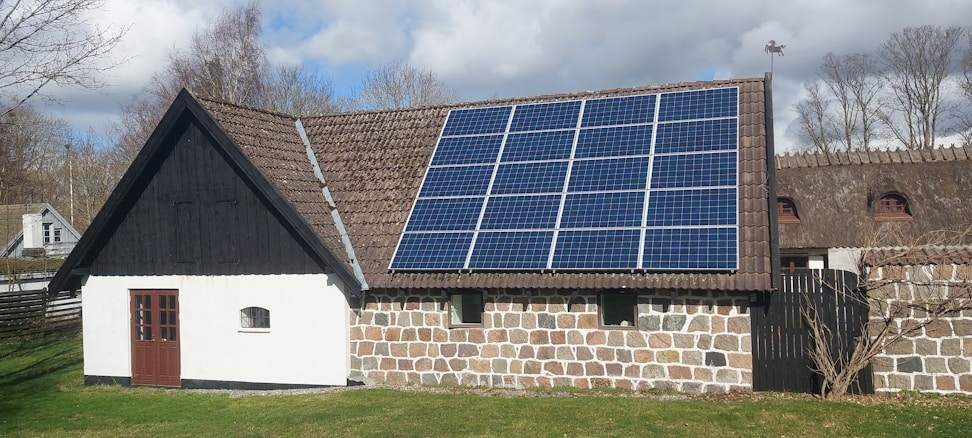
As solar energy becomes a mainstream power solution, the technology behind it continues to evolve. While most people focus on solar panels as the main component of a solar power system, the inverter is equally—if not more—important. In particular, smart inverters are emerging as a critical component of modern solar systems. They do much more than simply convert power; they enhance system performance, ensure grid stability, and provide users with greater control and safety.
Traditionally, solar inverters had a single job: to convert the direct current (DC) produced by solar panels into alternating current (AC), which is used by household appliances and the electrical grid. These basic or “string” inverters did their job well but offered limited functionality. They lacked communication capabilities, couldn’t adapt to changing conditions, and provided little to no system visibility for homeowners or utility providers.
Smart inverters, on the other hand, represent a leap forward in solar technology. They are equipped with advanced software, sensors, and communication features that allow them to do much more than just convert electricity. These inverters can interact with the power grid, respond to voltage fluctuations, monitor system health in real time, and even send alerts if something is wrong with your system. They act as the brain of your solar setup, managing both energy production and system safety.
One of the biggest benefits of smart inverters is their ability to increase energy efficiency. Using technologies like Maximum Power Point Tracking (MPPT), they ensure that each solar panel—or group of panels—operates at its optimal output level. This is especially useful in installations where shading, orientation, or panel mismatches might otherwise reduce performance. With smart inverters, you get the maximum energy output possible under varying conditions.
Another major advantage is safety. Smart inverters are capable of detecting electrical issues such as short circuits, overloads, or ground faults. In response, they can shut down the system or isolate problematic areas to prevent accidents or equipment damage. Some even support “rapid shutdown” features, which are now required in many countries for added safety during emergencies or maintenance.
Smart inverters also bring solar energy into the digital age. Most models come with Wi-Fi or Bluetooth connectivity and mobile apps that allow users to monitor their system in real time. You can check how much power your panels are producing, how much you’re consuming, and how much you’re sending back to the grid. This level of transparency helps you make better decisions about your energy use and identify issues before they become serious problems.
In areas with unstable or aging power grids, smart inverters provide crucial support. They can automatically adjust their output in response to voltage or frequency changes, helping maintain grid stability. In some regions, utilities even require solar systems to have smart inverters so they can manage distributed energy sources more effectively. This ability to communicate with the grid and respond to real-time conditions is a major reason why smart inverters are now becoming standard in solar installations.
Additionally, smart inverters play a key role in hybrid solar systems that include battery storage. They can intelligently switch between solar, battery, and grid power depending on your needs and the availability of sunlight. This not only increases your energy independence but also helps reduce your electricity bills by minimizing grid usage during peak tariff hours.
In summary, smart inverters are much more than an upgraded version of older models—they are the cornerstone of modern solar systems. By improving efficiency, enhancing safety, enabling real-time monitoring, and supporting grid interaction, they allow solar energy systems to be more intelligent, flexible, and user-friendly. Whether you’re installing a new solar setup or upgrading an old one, choosing a system with a smart inverter is a smart decision that ensures you get the most value and performance from your solar investment.
Helpful individuals stand by eagerly.
1. Advanced Production Technology
2. Quality Control & Testing
3. Sustainable Manufacturing Practices
GET A FREE INSPECTION & QUOTE

READ MORE ARTICLE