The Science Behind Solar Power: A Bright Solution
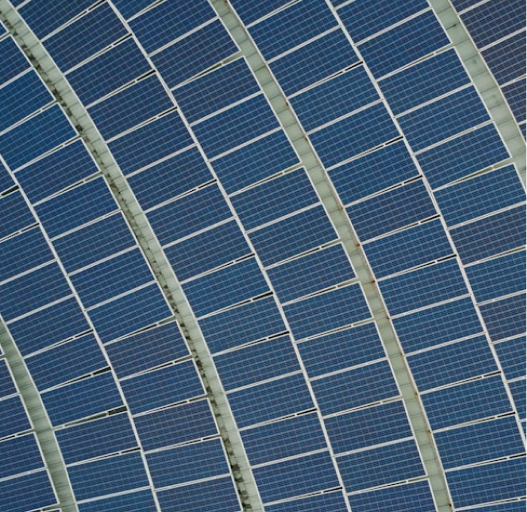
As solar energy systems become more advanced, one of the most important components gaining attention is the smart inverter. While solar panels often take the spotlight, inverters are the brains of any solar setup—converting energy, managing system performance, and ensuring safety. Today’s smart inverters go far beyond basic power conversion, playing a critical role in the efficiency, reliability, and adaptability of modern solar energy systems.
Traditionally, solar inverters had a simple task: convert the direct current (DC) electricity produced by solar panels into alternating current (AC) electricity, which homes and the grid use. These early inverters were functional but limited. They lacked the ability to adapt to changing conditions, couldn’t communicate with other devices, and offered little visibility into system performance.
Enter the smart inverter—a modern, intelligent upgrade that does much more than just conversion. Smart inverters are equipped with digital communication capabilities, advanced monitoring features, and grid-support functionalities that are essential in today’s dynamic energy landscape. They can interact with utility grids, track system performance in real time, respond to changes in voltage and frequency, and even store data for predictive maintenance and troubleshooting.
One of the biggest benefits of smart inverters is their ability to maximize energy production. By using technologies such as Maximum Power Point Tracking (MPPT), smart inverters ensure that your system is always operating at its highest efficiency, even under partial shading or fluctuating sunlight conditions. This directly translates to better output and higher savings on your electricity bill.
Smart inverters also enhance system safety. They can detect irregularities like voltage surges, frequency deviations, or ground faults and shut down the system automatically to prevent damage. This built-in protection reduces the risk of fire, equipment failure, and other hazards, giving users greater peace of mind.
Another key advantage is remote monitoring. Most smart inverters connect to online platforms or mobile apps that allow users to view system performance from anywhere. You can see how much power your system is generating, track your consumption, and receive alerts if something goes wrong. For installers and maintenance teams, this remote access simplifies diagnostics and service, often resolving issues without needing an on-site visit.
In the context of grid modernization and distributed energy, smart inverters are vital. They help balance the flow of electricity by providing reactive power support and stabilizing voltage levels. As more homes and businesses install solar, smart inverters ensure that power flows smoothly between solar systems and the utility grid, reducing the risk of overloads or blackouts. This grid-friendly behavior is especially important as utilities shift toward more flexible, resilient networks.
Battery integration is another area where smart inverters shine. Many are designed to work seamlessly with energy storage systems, managing the flow of power between solar panels, batteries, and the grid. This makes it easier for users to store excess energy during the day and use it during peak hours or outages, increasing both savings and energy independence.
In short, smart inverters are transforming solar power systems from simple energy generators into intelligent, adaptive energy solutions. They help users get the most out of their investment, ensure safe and efficient operation, and play a crucial role in building a smarter, more resilient energy infrastructure.
As solar adoption continues to grow, choosing a system with a high-quality smart inverter is no longer optional—it’s essential. Whether you’re installing a new solar system or upgrading an old one, smart inverters are the key to unlocking the full potential of solar energy in the modern world.
Helpful individuals stand by eagerly.
1. Advanced Production Technology
2. Quality Control & Testing
3. Sustainable Manufacturing Practices
GET A FREE INSPECTION & QUOTE

READ MORE ARTICLE