Harnessing the Power of the Sun: An Introduction to Solar Energy
When considering solar energy for your home or business, one of the key decisions you’ll face is choosing between rooftop solar panels and ground-mounted solar systems. Both options have their unique advantages and limitations, and the right choice depends on factors like available space, budget, energy needs, and future expansion plans.
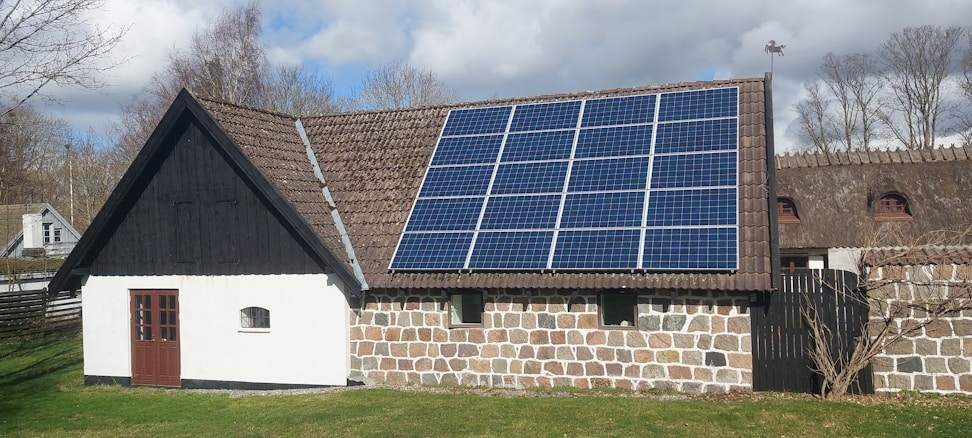
Rooftop solar systems are by far the most common and popular choice, especially in urban and suburban areas. They utilize the existing roof space of your building, which means you don’t need additional land. This makes rooftop solar ideal for homeowners or businesses with limited property space. These systems are typically easier and quicker to install since the infrastructure—your roof—is already in place. They can also be more cost-effective because installation costs tend to be lower, and they often qualify for a range of government subsidies or incentives. However, rooftop systems depend heavily on the condition, orientation, and size of your roof. If your roof is shaded by trees or nearby buildings, or if it doesn’t face the right direction, your system’s efficiency may be compromised. Roofs that are old or structurally weak may require reinforcement before solar panels can be installed, adding to the cost.
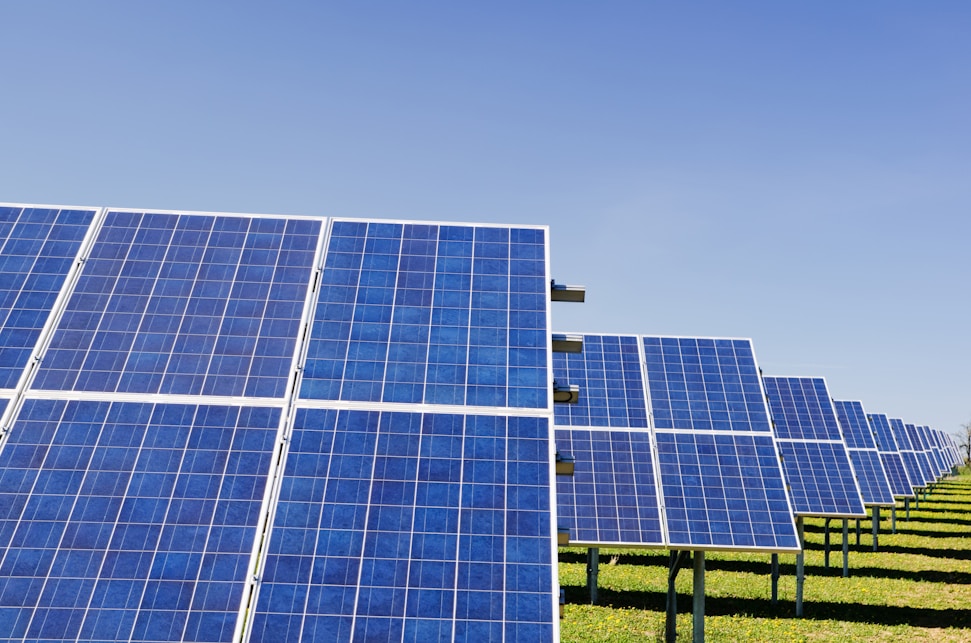
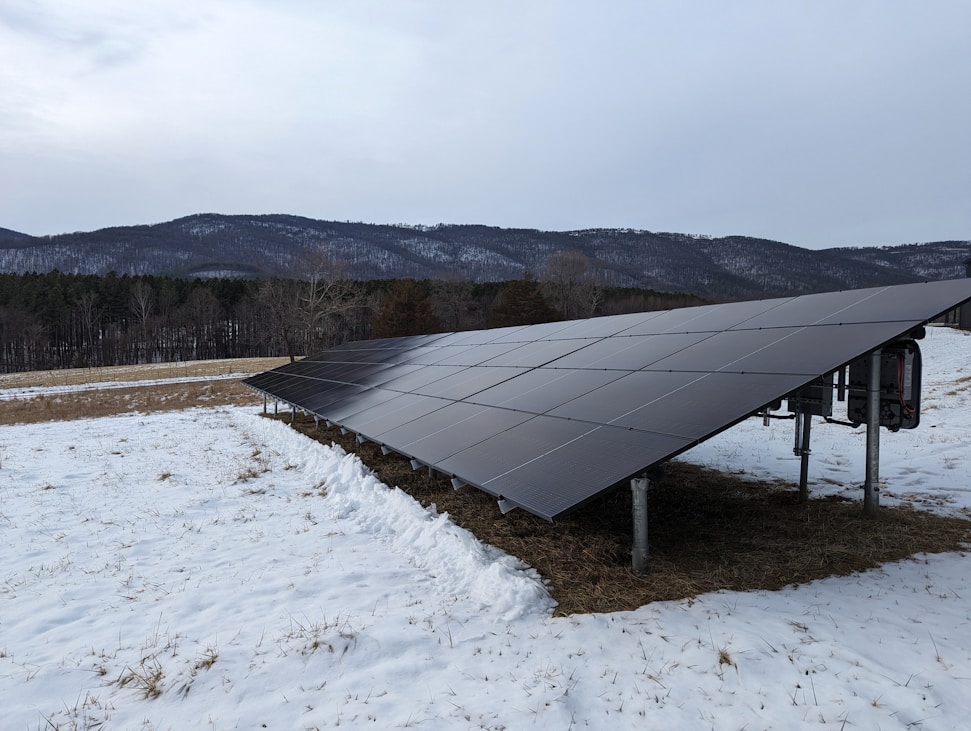
Ground-mounted solar systems offer a great alternative for those who have sufficient land available. These systems are installed on racks or frames directly on the ground, allowing for flexible placement and optimal positioning to capture maximum sunlight throughout the day. Ground-mounted panels can be installed at the perfect angle and orientation to increase energy production, which is especially beneficial in commercial or agricultural settings where maximizing output is crucial. They are also easier to access for maintenance, cleaning, or future upgrades, and can be expanded more easily if your energy needs grow. The downside is that ground-mounted systems typically involve higher upfront costs due to the need for mounting structures, site preparation, and more extensive wiring. They also require clear, unobstructed land, which may not be feasible in dense neighborhoods or smaller properties.
Another consideration is aesthetics. Rooftop solar panels blend into your existing building and are less likely to affect your landscape or yard space. Ground-mounted systems, while practical, may alter the appearance of your property and require fencing or other protection if located near livestock or children.
Choosing between rooftop and ground-mounted solar comes down to your individual situation. If you have limited outdoor space but a strong, sunny roof, rooftop solar is likely the best option. It offers convenience, lower cost, and access to government incentives. But if you have ample land and want to maximize solar production with an easily expandable system, a ground-mounted installation could be the way to go.
Ultimately, both rooftop and ground-mounted solar systems provide clean, renewable energy that can reduce your electricity bills and carbon footprint. Evaluating your space, budget, energy goals, and local regulations will help you make the right choice and enjoy the full benefits of solar power.
Helpful individuals stand by eagerly.
1. Advanced Production Technology
2. Quality Control & Testing
3. Sustainable Manufacturing Practices
GET A FREE INSPECTION & QUOTE

READ MORE ARTICLE