

Let’s Talk
Your input is important to us; feel free to reach out anytime for assistance or to share your thoughts.
Join Us Now
Office Greetings
We sometimes organize events and gatherings for both our readers and pet fans.
+44 20 7946 0991
admin@doggy.com
+44 20 7946 0991
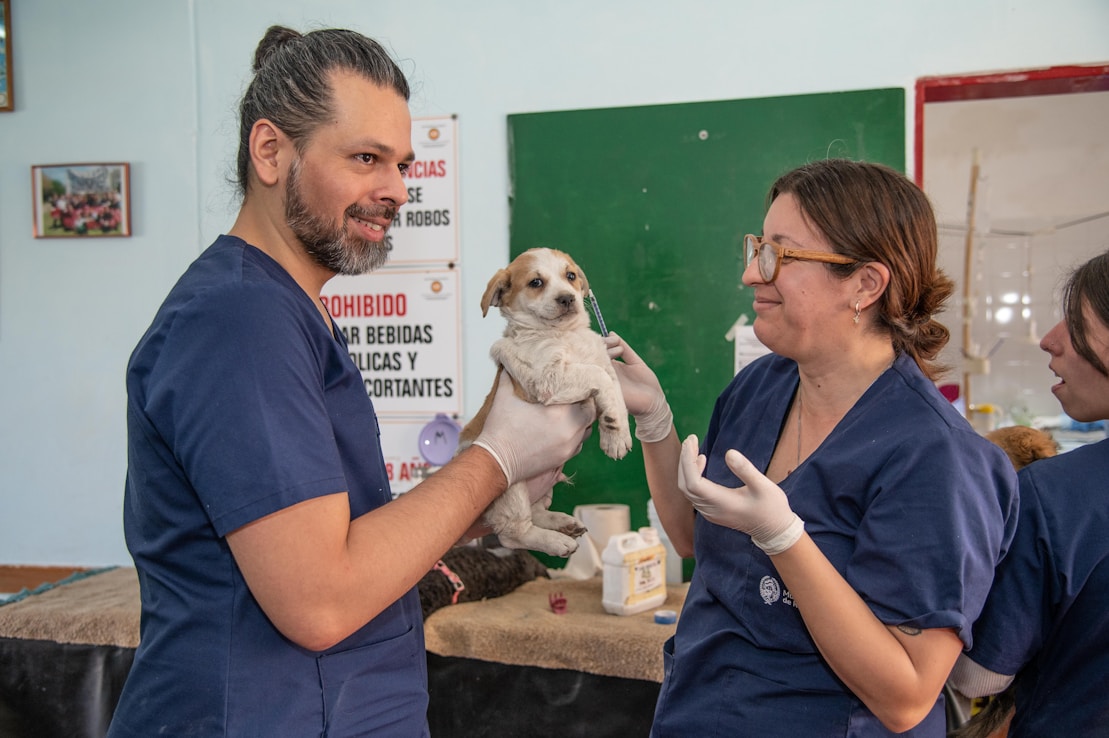
Got Questions?
Essential pet travel planning involves proper prep, ensuring your pet has the needed, up-to-date travel documents.
Limit fleas and ticks on my pet by spraying.
Prevent fleas and ticks by using vet-approved treatments such as topical solutions, oral medications, or flea collars. Keep your pet’s bedding clean, vacuum your home regularly, and avoid tall grasses or wooded areas during peak seasons. Always consult your vet for the best prevention plan based on your pet’s lifestyle and health.
Signs of illness in pets include changes in appetite or behavior.
Prevent fleas and ticks by using vet-approved treatments such as topical solutions, oral medications, or flea collars. Keep your pet’s bedding clean, vacuum your home regularly, and avoid tall grasses or wooded areas during peak seasons. Always consult your vet for the best prevention plan based on your pet’s lifestyle and health.
Signs your pet may be sick
Prevent fleas and ticks by using vet-approved treatments such as topical solutions, oral medications, or flea collars. Keep your pet’s bedding clean, vacuum your home regularly, and avoid tall grasses or wooded areas during peak seasons. Always consult your vet for the best prevention plan based on your pet’s lifestyle and health.
Feed pet healthy food.
Prevent fleas and ticks by using vet-approved treatments such as topical solutions, oral medications, or flea collars. Keep your pet’s bedding clean, vacuum your home regularly, and avoid tall grasses or wooded areas during peak seasons. Always consult your vet for the best prevention plan based on your pet’s lifestyle and health.
Keep pet teeth clean always.
Prevent fleas and ticks by using vet-approved treatments such as topical solutions, oral medications, or flea collars. Keep your pet’s bedding clean, vacuum your home regularly, and avoid tall grasses or wooded areas during peak seasons. Always consult your vet for the best prevention plan based on your pet’s lifestyle and health.