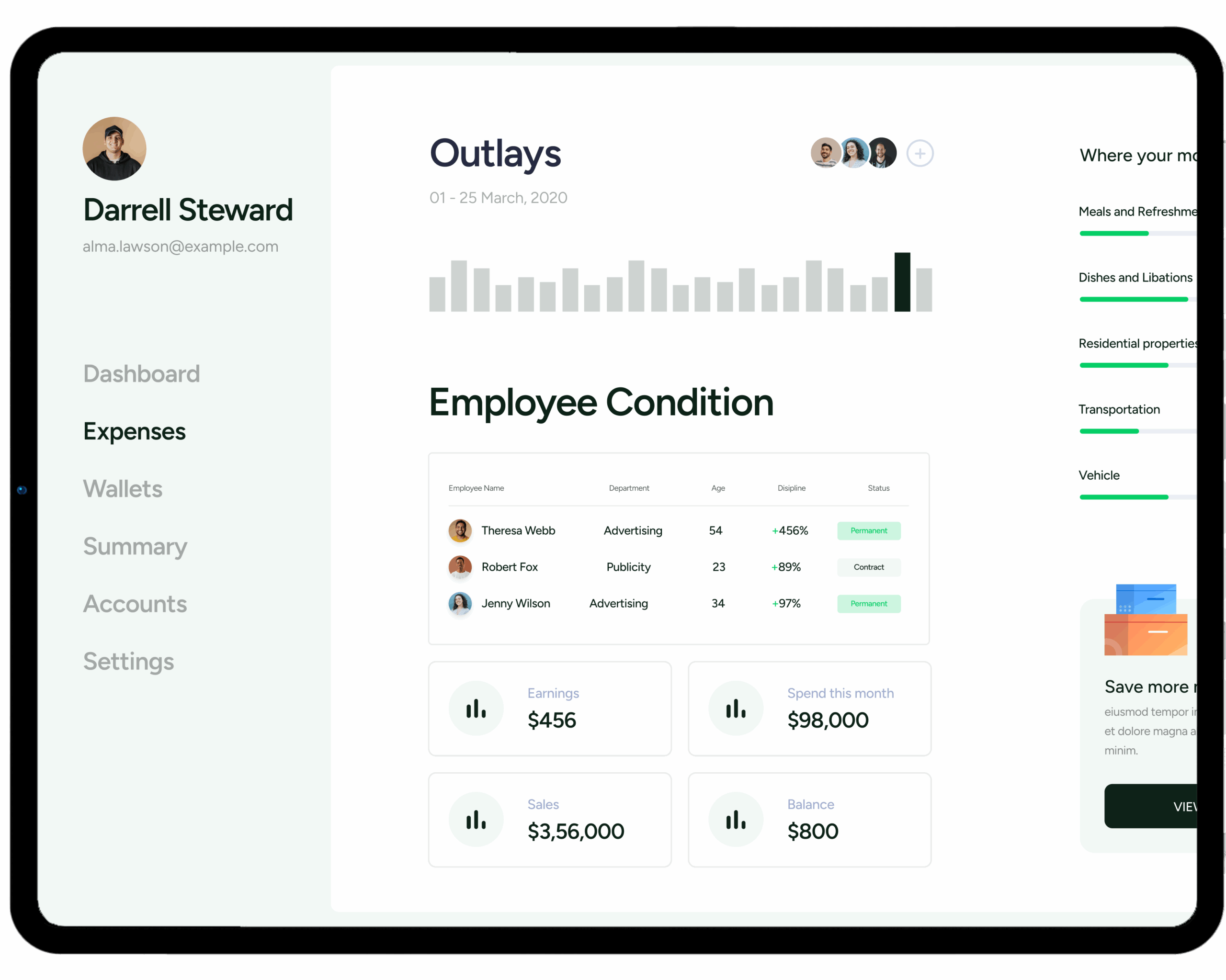

The modern workplace is undergoing a massive transformation. From remote work to digital collaboration, technology continues to redefine how businesses operate. Among these innovations, business management apps have emerged as one of the most powerful tools reshaping the way teams communicate, plan, and achieve their goals. These platforms are no longer just convenience tools—they’re the foundation of how the future of work is being built.
The Shift Toward Digital-First Operations
In the past, managing business operations required countless meetings, emails, and manual coordination. But as organizations embrace hybrid and remote work, the demand for streamlined digital systems has skyrocketed. Business management apps have stepped in to bridge this gap, offering a single platform for project tracking, communication, and collaboration.
From startups to global enterprises, companies are realizing that productivity no longer depends on physical presence—it depends on connection and efficiency. With apps that integrate everything from scheduling to analytics, businesses can now run seamlessly from anywhere in the world.
Centralized Communication and Collaboration
One of the biggest game-changers is the shift to centralized communication. Instead of scattered messages across email threads, chat groups, and documents, business management apps bring everything together in one place. Teams can assign tasks, share files, set deadlines, and monitor progress without the constant back-and-forth.
This centralization not only saves time but also reduces confusion. Clear visibility into who’s doing what ensures accountability and transparency, which are key for managing distributed teams effectively. It also fosters a sense of unity, keeping everyone aligned toward common goals even when working from different locations.
Automation: The New Standard of Efficiency
Automation is another critical factor driving the future of business management. Apps today can automate repetitive tasks—such as sending reminders, tracking expenses, or generating reports—allowing employees to focus on creative and strategic work. This shift from manual effort to automated workflows helps organizations become more agile and reduces the risk of burnout.
For example, instead of spending hours each week managing team updates or approving forms, leaders can rely on automated systems that handle these processes in seconds. The result is a smarter, faster, and more adaptive workplace.
Data-Driven Decision Making
Business management apps aren’t just tools for organizing work—they’re powerful engines for insights. Through analytics dashboards and data visualization features, companies can monitor performance, identify trends, and make informed decisions. Real-time data helps leaders respond quickly to challenges, allocate resources wisely, and measure success with precision.
In the future of work, intuition will always have value—but data-driven strategy will lead the way. Organizations that understand and act on data insights will have the edge in innovation and efficiency.
Empowering Flexibility and Employee Well-Being
One of the most overlooked yet important impacts of business management apps is how they improve work-life balance. By providing clarity, structure, and accessibility, these tools allow employees to manage their time more effectively. Remote access means work can happen from anywhere—home, coworking spaces, or even while traveling—without sacrificing productivity.
This flexibility leads to happier, more engaged employees. When people have control over their workflow and clear visibility into their responsibilities, they feel more empowered and less stressed. The result is a healthier workplace culture and improved team morale.
Integration: The Power of Connected Systems
The future of work thrives on integration. Business management apps are evolving to connect with CRM systems, marketing tools, finance software, and even AI assistants. This interconnected ecosystem eliminates data silos and ensures that every department operates with real-time information.
When tools talk to each other, businesses can make faster, smarter decisions. A sales update can instantly trigger project actions; a finance alert can sync with budget planning tools—all within a single workflow. Integration creates synergy across the entire organization, making the workplace more cohesive and efficient.
The Rise of AI and Smart Automation
Artificial intelligence is taking business management apps to a whole new level. Predictive analytics, automated scheduling, and intelligent task prioritization are just a few examples of how AI is transforming management processes. These features don’t just save time—they actively enhance decision-making and help teams work proactively rather than reactively.
AI-powered apps can anticipate workload bottlenecks, suggest improvements, and even draft reports or responses. As AI becomes more embedded in business tools, the future of work will become increasingly intuitive, adaptive, and human-centered.
Conclusion
The future of work is not just about digital tools—it’s about how those tools empower people to work smarter, faster, and more meaningfully. Business management apps are at the heart of this evolution, reshaping how teams collaborate, automate, and innovate. As technology continues to evolve, organizations that embrace these tools will not only stay competitive but also create a more balanced, connected, and resilient workplace.