
Commercial Sector Recovery & Redesign
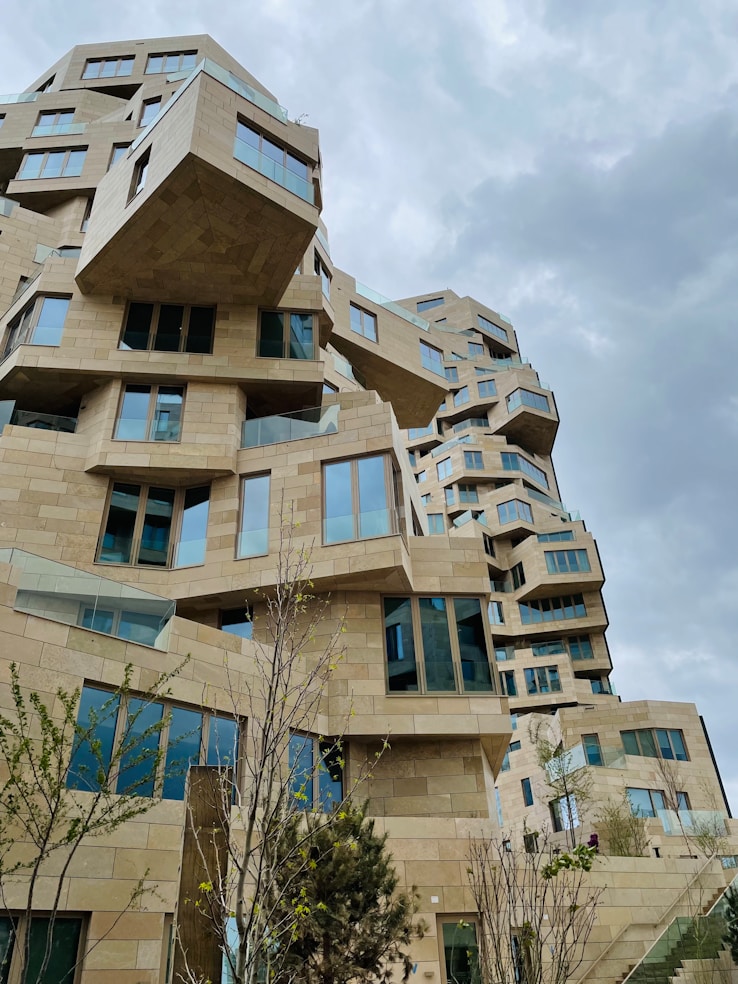
Over the past few years, the commercial sector has experienced unprecedented disruption—from global pandemics to economic uncertainty, shifts in consumer behavior, and the accelerated adoption of digital technologies. As the dust begins to settle, we are witnessing not just a recovery, but a fundamental redesign of how commercial spaces operate, serve, and evolve.
From Survival to Strategy
The early stages of disruption demanded survival tactics—cost-cutting, remote pivots, and agile decision-making. Now, however, businesses are taking a more strategic approach. Recovery isn’t just about getting back to “normal”; it’s about reimagining the future of commercial operations.
Key trends shaping the recovery include:
- Hybrid Work Environments: Office spaces are being redefined. Flexible workspaces, coworking hubs, and tech-integrated environments are replacing traditional cubicles.
- Consumer-Centric Spaces: Retail and hospitality are shifting focus to experiences, blending digital and physical interactions to keep customers engaged.
- Sustainability at the Core: Green building standards, energy efficiency, and sustainable materials are becoming non-negotiable in new developments.
- Tech Integration: From smart buildings to AI-powered analytics, commercial properties are being upgraded for efficiency and user experience.
Redesigning for Resilience
The redesign phase is rooted in resilience—future-proofing businesses and properties against both economic shocks and changing societal needs.
Here’s what that looks like:
1. Adaptive Spaces
Commercial real estate is no longer static. Spaces are being designed to serve multiple purposes, pivoting between uses based on demand. Think modular retail stores, convertible office layouts, or mixed-use developments that can weather occupancy shifts.
2. Data-Driven Decisions
Data is at the heart of redesign. Companies are using insights from occupancy rates, customer behavior, and energy usage to optimize everything from store layouts to staffing models.
3. Health & Wellness Integration
Incorporating biophilic design, improved air quality, and wellness amenities is now standard, especially in offices and hospitality venues. The focus has shifted toward creating environments that support mental and physical health.
4. Digital-First Mindset
Even physical commercial spaces are embracing a digital-first approach—smart kiosks, automated checkouts, virtual consultations, and digital signage are enhancing convenience and engagement.
The Role of Public-Private Partnerships
Recovery and redesign aren’t happening in a vacuum. Governments, developers, and private enterprises are working together to revitalize urban centers, support small businesses, and incentivize innovation. Incentives for green buildings, tax breaks for renovations, and grants for digital transformation are helping commercial players adapt more quickly.
Looking Ahead: A Sector Reinvented
The commercial sector recovery isn’t just a bounce-back; it’s a reinvention. As we move forward, success will belong to those who embrace change, resilience, and human-centered design.
The commercial spaces of tomorrow won’t just be places where business happens—they’ll be adaptive, data-informed ecosystems that empower connection, collaboration, and growth.