
The Rise of Mixed-Use Developments
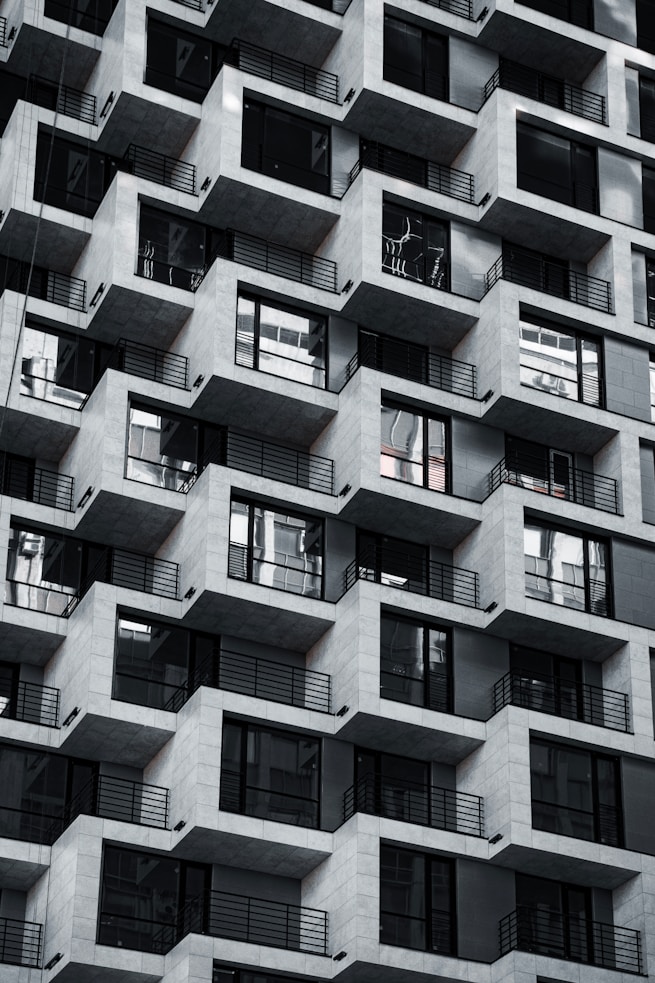
Urban landscapes are transforming rapidly, and at the heart of this evolution lies a powerful concept: mixed-use developments. Blending residential, commercial, cultural, and recreational spaces into one integrated environment, these developments are redefining how we live, work, and connect.
From walkable communities to dynamic live-work-play environments, mixed-use properties are meeting the needs of a new generation of urban dwellers—and they’re becoming a key strategy for sustainable, future-ready cities.
In this blog, we’ll explore what’s driving the rise of mixed-use developments, key trends, and what they mean for investors, developers, and city residents.
What Are Mixed-Use Developments?
A mixed-use development combines two or more real estate functions—typically residential, commercial, office, and entertainment—within a single, interconnected space.
Common Components Include:
- Residential units (apartments, condos, co-living spaces)
- Retail outlets (shops, cafes, grocery stores)
- Office spaces or coworking hubs
- Hospitality services (hotels, short-term rentals)
- Recreation & green spaces (parks, fitness centers, plazas)
- Cultural spaces (galleries, theaters, libraries)
These developments are designed to create self-contained, walkable neighborhoods that reduce reliance on cars, increase convenience, and promote community engagement.
Why Are Mixed-Use Developments on the Rise?
1. Changing Lifestyles and Work Habits
The post-pandemic world has accelerated flexible working and blurred the lines between home, office, and leisure. People now prioritize convenience, accessibility, and lifestyle integration.
2. Urbanization and Limited Space
With cities becoming more crowded, vertical and compact mixed-use spaces offer a smart solution to land scarcity and urban sprawl.
3. Sustainability and Reduced Commutes
Mixed-use developments reduce the need for long commutes, lowering carbon emissions and supporting eco-friendly urban planning.
4. Economic Resilience
By diversifying property usage, these developments can weather market fluctuations more effectively than single-use properties.
Key Trends in Mixed-Use Developments (2025 & Beyond)
1. “15-Minute Cities”
Inspired by the idea that everything you need should be within a 15-minute walk or bike ride, this urban model is central to many new mixed-use developments in Paris, Melbourne, and cities across North America.
2. Technology-Enhanced Living
From app-based access and smart lockers to integrated energy systems and IoT-enabled services, technology is streamlining convenience, security, and sustainability.
3. Experiential Retail & Hospitality
Retail within mixed-use spaces is shifting from transactional to experiential—think pop-up shops, curated boutiques, and hospitality experiences that keep residents and visitors engaged.
4. Community-Focused Design
Developers are increasingly incorporating shared spaces—rooftop gardens, dog parks, communal kitchens—to foster connection and a sense of belonging among residents.
5. Health & Wellness Integration
Fitness centers, wellness spas, meditation rooms, and access to green spaces are now standard in high-end mixed-use communities, especially post-COVID.
Benefits of Mixed-Use Developments
For Residents:
- Greater convenience and lifestyle balance
- Reduced commute times and travel costs
- Increased walkability and community interaction
- Access to diverse amenities in one location
For Developers & Investors:
- Higher foot traffic and commercial viability
- Diversified income streams
- Long-term resilience to market shifts
- Greater appeal to modern buyers and renters
For Cities & Municipalities:
- More efficient land use
- Revitalization of underused urban areas
- Support for sustainability and climate goals
- Enhanced public safety and vibrancy