
Rental Market Dynamics
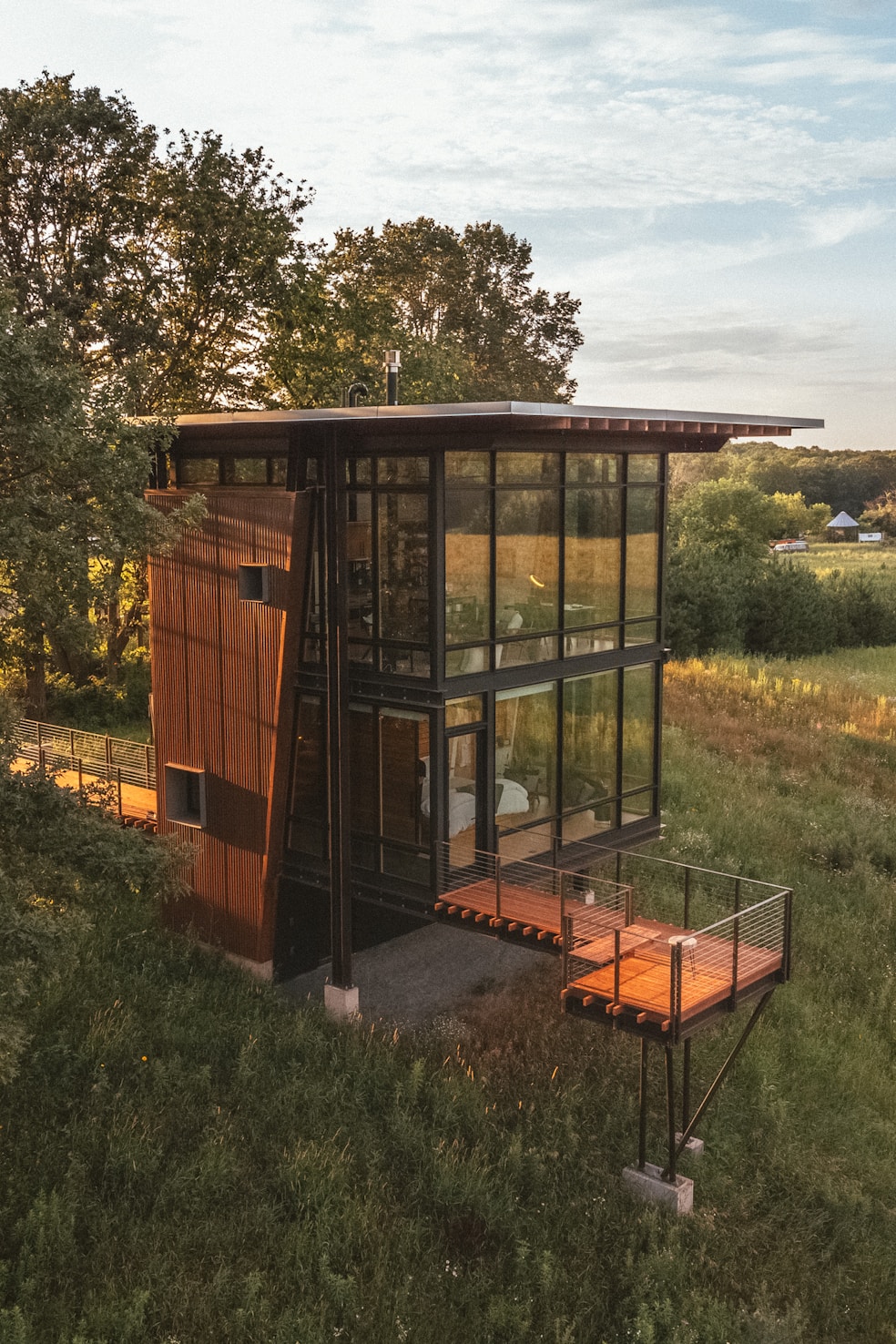
The rental market is undergoing a profound shift. From rising interest rates and housing affordability issues to remote work and demographic changes, multiple forces are reshaping how people rent, where they live or operate, and what they’re willing to pay for. Whether you’re a renter, landlord, or investor, understanding these rental market dynamics is key to navigating this evolving landscape.
Supply & Demand Imbalance
One of the most persistent challenges in many urban and suburban markets is the mismatch between supply and demand. Rental inventory remains tight in several regions, especially for affordable units and mid-size family homes. Meanwhile, demand continues to rise, driven by:
- Delayed homeownership due to high mortgage rates
- Population growth in secondary cities
- Increased mobility from remote or hybrid work setups
This imbalance is pushing rents upward in some areas, while others are beginning to see plateaus or even corrections where overbuilding occurred.
Affordability Crisis
Affordability is now one of the most pressing issues in the rental market. According to recent data:
- Over 50% of renters are considered cost-burdened, spending more than 30% of their income on housing.
- In high-demand metros, this number rises significantly, leading to increased pressure on policymakers and developers to deliver affordable housing solutions.
As a result, there’s rising interest in rent control policies, income-based housing programs, and alternative housing models like co-living or micro-units.
Shifts in Renter Preferences
Today’s renters are more mobile, tech-savvy, and value-conscious than ever before. Preferences have shifted toward:
- Flexible leases or month-to-month options
- Smart home features and high-speed internet
- Pet-friendly policies and community amenities
- Locations with walkability, public transit access, and lifestyle benefits
Landlords and property managers who adapt to these preferences are seeing lower vacancy rates and higher retention.
Investor & Developer Strategies
For investors and developers, understanding rental market dynamics is critical for making strategic decisions. Key trends include:
- Build-to-rent communities: These single-family rental neighborhoods are booming, especially in the U.S. Sunbelt and growing suburban regions.
- Converting commercial to residential: With some office spaces still underutilized post-COVID, adaptive reuse is becoming a viable path to increase rental housing stock.
- Technology adoption: From virtual tours and AI-powered tenant screening to automated rent collection, technology is streamlining operations and enhancing tenant experiences.
Regulatory Landscape
Policies at the local, state, and national levels are playing an increasingly important role. Key areas to watch:
- Rent control legislation and its potential impact on profitability
- Eviction protections and changing landlord-tenant laws
- Zoning reforms allowing for more density or mixed-use development
Keeping pace with the legal environment is crucial for minimizing risk and maximizing ROI.
Economic Uncertainty & Interest Rates
The broader economic environment is adding another layer of complexity. High interest rates have cooled homebuying activity, increasing renter demand—but also raising the cost of financing for landlords and developers. Inflation and job market fluctuations continue to influence tenant budgets and landlord expectations.
Looking Ahead: Agility Will Be Key
The rental market is no longer defined by static trends—it’s a fast-moving ecosystem where local conditions, policy shifts, and consumer behavior intersect. For all stakeholders, agility and adaptability will be the keys to thriving in this new era.
Whether you’re adjusting rents, expanding your portfolio, or searching for your next home, understanding the forces at play in today’s rental market will give you the edge.