Green Building Trends Rise
Life Shaped by Arch
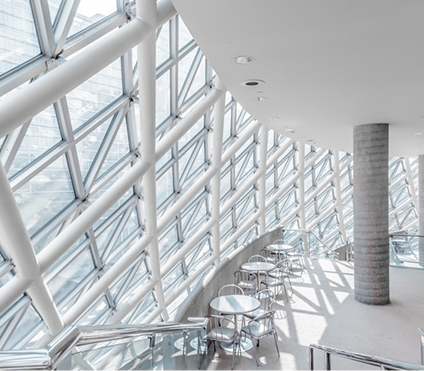
Life shaped by arch is a concept that goes beyond architecture, extending into how we experience and interact with our built environment. Arches are among the oldest and most enduring elements in design, symbolizing strength, elegance, and innovation. From grand historical cathedrals to contemporary homes, the arch has influenced not only structural design but also the way spaces feel, function, and inspire those who inhabit them. Incorporating arches into living spaces offers both aesthetic charm and practical benefits, creating environments that blend tradition with modernity and elegance with utility.
Architecturally, arches distribute weight efficiently, allowing for larger open spaces without the need for bulky supports. This structural advantage has inspired innovative interior layouts, enabling open floor plans, expansive doorways, and vaulted ceilings that enhance light, airflow, and the overall sense of space. In homes, an arch can transform a simple entryway into a focal point, lending a sense of arrival and sophistication. Hallways, windows, and even furniture with arched forms contribute to visual flow, subtly guiding movement and shaping the way we experience a room.
Beyond their structural benefits, arches influence the psychology of spaces. Curved lines and rounded forms are often associated with calmness, harmony, and continuity, in contrast to rigid, angular lines that can feel harsh or constraining. Arched designs encourage fluidity, both in physical movement and in the way people feel within a space. In living areas, arched openings and niches can create intimate zones for relaxation, conversation, or reflection, fostering a sense of balance and serenity in daily life.
The versatility of arches allows them to integrate seamlessly into a variety of design styles. In classical architecture, arches evoke grandeur and timeless elegance, often paired with stone, marble, or intricate detailing. In contemporary settings, minimalist arches in metal, glass, or wood provide a sleek and modern aesthetic while maintaining their functional purpose. Even subtle arches, such as in cabinetry, shelving, or decorative panels, can introduce softness and sophistication, demonstrating that the influence of arch extends beyond structure to every element of design.
Sustainability and efficiency are also enhanced through arch-inspired design. Vaulted ceilings and arched spaces promote natural ventilation, improving air circulation and reducing reliance on mechanical systems. Strategic placement of arched windows can maximize daylight, reducing energy consumption while creating warm, inviting interiors. By combining beauty with functionality, arches exemplify the idea that thoughtful design can elevate both environmental and human experience.
Life shaped by arch is also about continuity and connection. Arches often serve as visual or functional bridges between different areas of a home or landscape, guiding movement and unifying spaces. They can create smooth transitions between indoor and outdoor living areas, or between private and communal zones within a home. This seamless integration fosters a sense of cohesion and intentionality, reflecting a lifestyle that values both structure and flow.
Moreover, arches inspire creativity and innovation. Designers and homeowners are exploring unconventional forms, asymmetrical curves, and layered archways to craft spaces that are dynamic, personalized, and expressive. These innovations demonstrate that the principles behind arches—strength, elegance, and continuity—can be applied in modern contexts to enrich everyday life, making spaces not only functional but also inspiring.
Ultimately, life shaped by arch celebrates the intersection of form and function, history and modernity, utility and beauty. It reminds us that architecture is not just about walls and roofs but about how spaces shape the way we live, interact, and feel. Whether in a home, public building, or urban landscape, arches influence perception, guide movement, and enhance the emotional resonance of a space. They represent a design philosophy that values resilience, elegance, and thoughtful living, proving that even the simplest curves can leave a lasting impression on the way life is experienced.