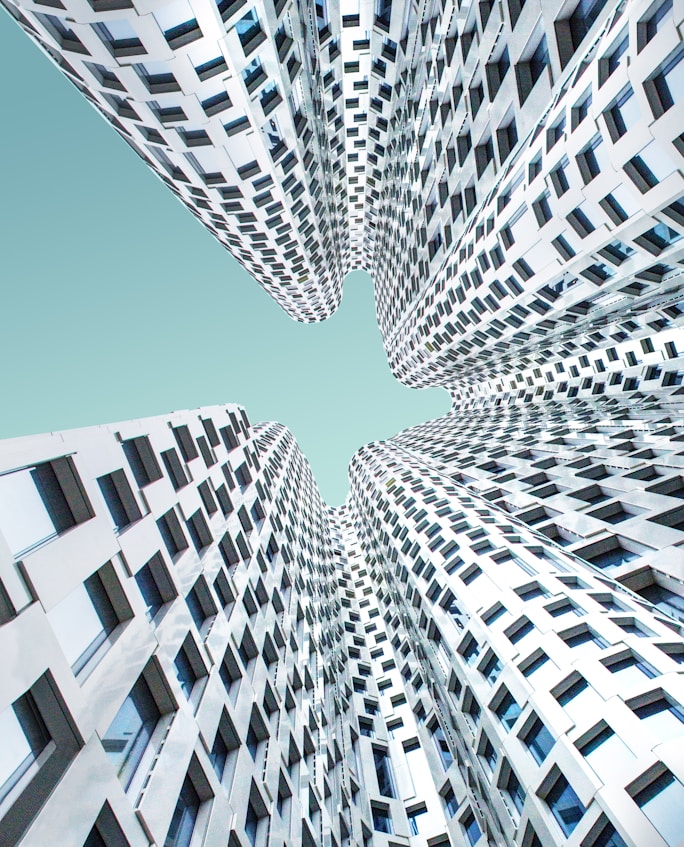
Green Building Trends Rise
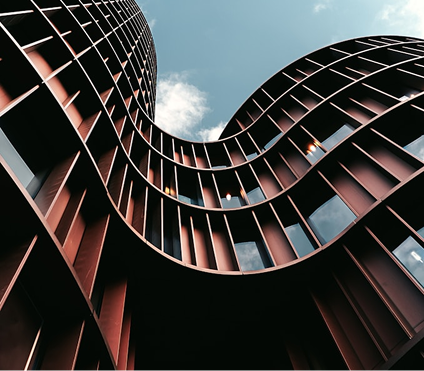
Compact Space Design
Compact space design has emerged as a vital aspect of modern living, particularly in urban environments where space is limited, and every square foot counts. As cities become denser and lifestyles shift toward minimalism and efficiency, designing small spaces that are both functional and aesthetically pleasing has become an art form. Compact space design is not just about reducing size—it is about maximizing usability, creating comfort, and ensuring that every element of a home serves a purpose while reflecting the personality of its occupants.
The foundation of compact space design lies in intelligent planning and layout. Open-concept floor plans allow rooms to feel larger and more connected, while multifunctional furniture adds versatility without crowding the space. For example, a sofa can double as a guest bed, a dining table can extend for entertaining, and storage solutions can be built into stairs or walls. Thoughtful design ensures that each area serves multiple purposes, creating a sense of spaciousness and avoiding clutter, even in apartments or homes with limited square footage.
Natural light plays a pivotal role in compact spaces, enhancing the perception of openness and airiness. Large windows, skylights, and glass partitions allow sunlight to flow through the interior, reducing the need for artificial lighting during the day. Mirrors and reflective surfaces further amplify light, making rooms feel brighter and more expansive. By combining natural illumination with strategically chosen light fixtures, compact spaces can feel warm, inviting, and visually expansive, despite their physical limitations.
Storage solutions are another cornerstone of successful compact space design. Built-in cabinets, under-bed storage, and modular shelving maximize vertical and hidden spaces, ensuring that belongings are neatly organized without encroaching on living areas. Creative storage solutions also include foldable furniture, retractable desks, and concealed compartments, which allow homeowners to maintain a minimalist aesthetic while keeping essentials accessible. Efficient storage transforms small spaces into functional, clutter-free environments that support modern living.
Color schemes and material choices play a significant role in enhancing the feel of compact spaces. Light, neutral tones on walls, floors, and furniture create an illusion of openness, while pops of color in accents, decor, or artwork add personality without overwhelming the space. Using similar materials and textures throughout a compact home helps maintain visual continuity, making rooms appear cohesive and more spacious. Thoughtful use of color and materials ensures that even small spaces feel harmonious and inviting.
Compact space design also emphasizes the seamless integration of technology and smart living solutions. Space-saving appliances, modular kitchens, and smart home systems allow residents to control lighting, heating, and entertainment with minimal physical footprint. These innovations reduce the need for bulky equipment and create a streamlined, functional living experience. Technology complements design by adding convenience and efficiency, turning compact spaces into highly livable, modern homes.
Outdoor extensions such as balconies, terraces, or small gardens also enhance compact spaces. By connecting interior living areas with exterior zones, designers can expand usable space visually and functionally. Even a small balcony can become an extension of the living room, serving as a reading nook, a mini-garden, or a relaxing retreat. Integrating outdoor elements creates a sense of openness and connection to nature, which is especially valuable in dense urban environments.
Compact space design is not limited to apartments or tiny homes; it also influences larger homes seeking efficiency and functionality. Multifunctional rooms, flexible layouts, and modular furniture are increasingly adopted in all types of residences, demonstrating that efficient design benefits every scale of living. By prioritizing comfort, accessibility, and organization, compact space design offers a blueprint for sustainable, stress-free, and stylish living.
Ultimately, compact space design reflects a philosophy that values quality over quantity. It encourages creativity, intentional living, and mindful use of resources, proving that small spaces can be luxurious, comfortable, and highly functional. Thoughtful design ensures that every element contributes to a cohesive and harmonious environment, making life simpler, more efficient, and more enjoyable.
Compact spaces challenge designers and homeowners to innovate, prioritize, and rethink conventional layouts. When executed well, they provide all the comforts of modern living without unnecessary excess, demonstrating that great design is measured not by square footage but by how effectively and beautifully a space serves its inhabitants. With intelligent planning, multifunctional solutions, and aesthetic coherence, compact space design is shaping the future of urban living, making stylish, practical, and sustainable homes accessible to everyone.